High-Performance RGBIC & COB LED Strip Products
Explore our SGS-verified range of dotless COB, addressable RGBIC digital pixel, ultra-narrow mini-cut, and IP68 waterproof flexible LED strips manufactured under strict ISO9001 and SDCM < 3 binning controls.
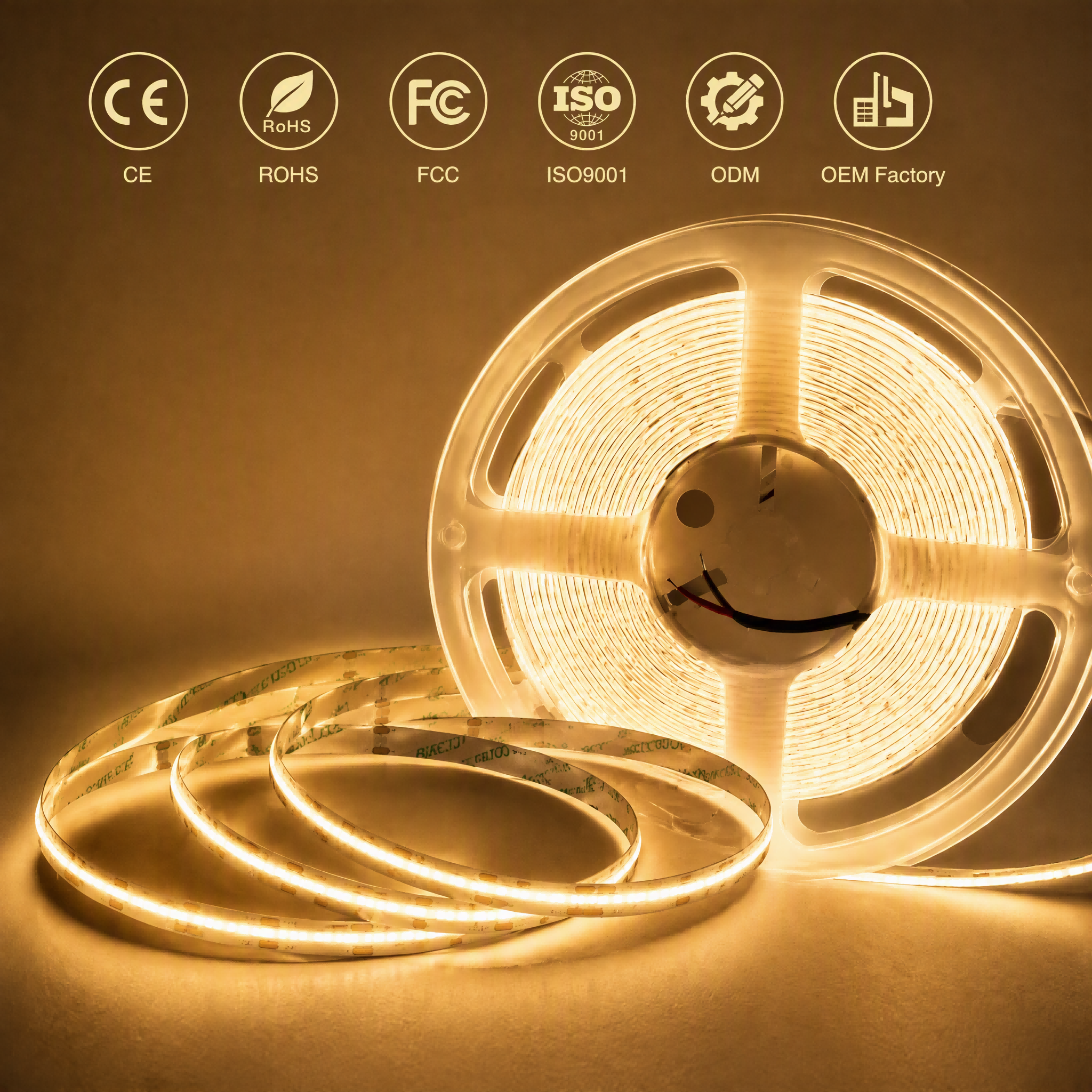
8W & 14W/M Connected Smart Cob LED Strip Light Dimmable Flexible PCB Body DC 5V 320LEDs 8mm & 10mm
- DC 5V Low Voltage
- 320 LEDs/m Dotless
- 8mm / 10mm PCB

Aikeou 384LEDs/m 5mm 7W/m Ultra Narrow Copper PCB with Remote Control COB LED Strip Light DC12V DC24V IP20
- 5mm Ultra Slim
- 384 LEDs/m
- 2oz Copper FPC

Aikeou 400-480LEDs/m 3-8mm 7W/m IP20 12V/24V Manufacturer Wholesale Flexible Soft COB LED Strip Lights with Remote Control
- 400-480 LEDs/m
- CRI 90+ High Ra
- 3mm - 8mm Options
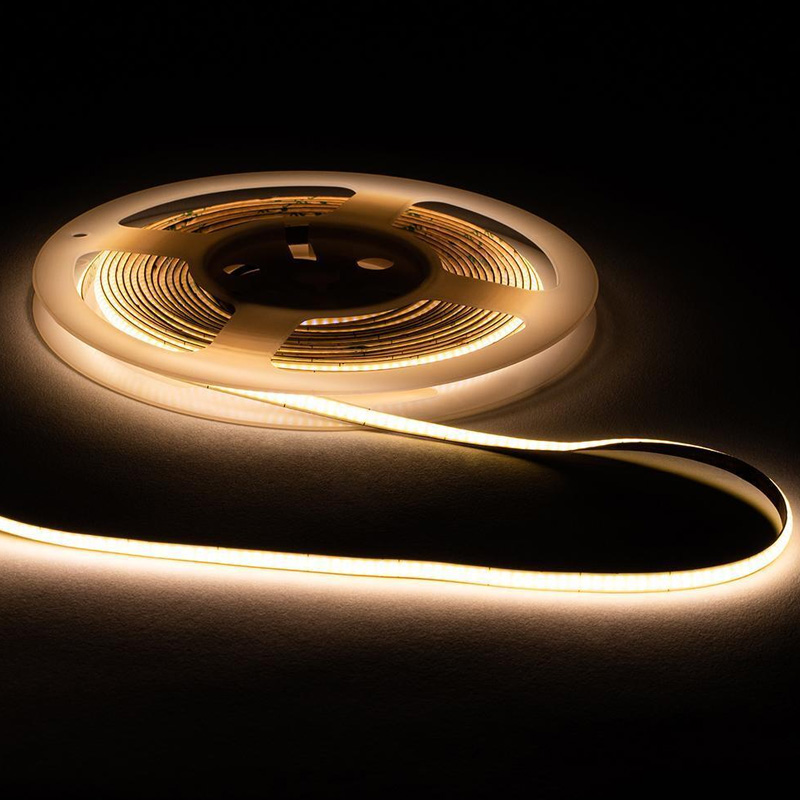
Aikeou 400/312/320/384/480LEDs/m 5mm 8mm 10W/m 12V 24V Factory Supply COB LED Light Strip for Cabinet / Home DIY
- 10W/m High Efficiency
- 12V / 24V DC
- Cabinet & Profile DIY
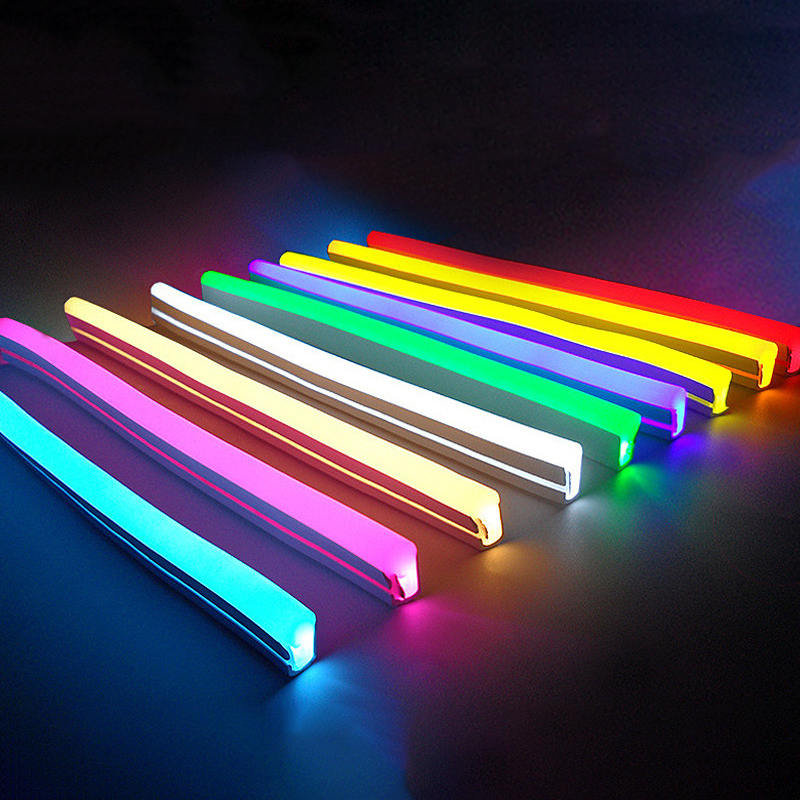
Silicon Separated Split Neon Tubes 6mm/8mm 12V IP65 Flexible Strip S/Zigzag Shape DIY Decorative Sign Cuttable LED Neon Lights
- IP65 Silicone Tube
- S/Zigzag Bending
- Signage & Facade

720 LEDs/m RGB COB LED Strip Lights with IP20 Rating Remote Control Support Silicone Material DC 12V/24V
- 720 LEDs/m Ultra Density
- Full Spectrum RGB
- Dot-free Linear Mix
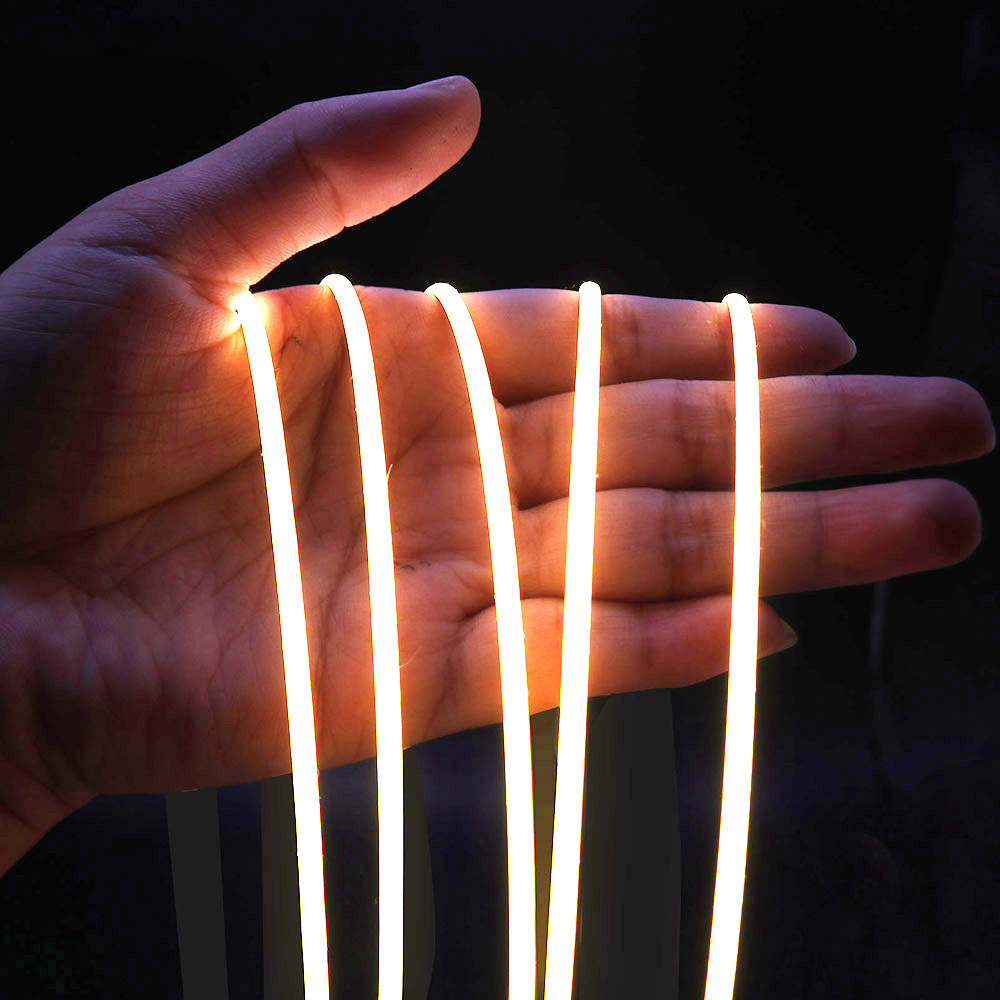
Mini Flexible COB LED Strip Light 384LEDs/m 3mm Wide R90 DC 12v IP20 Copper Body CE ROHS Certified Mini Cut Cob Led Strip
- 3mm Micro Width
- Ra > 90 True Color
- CE & RoHS Certified
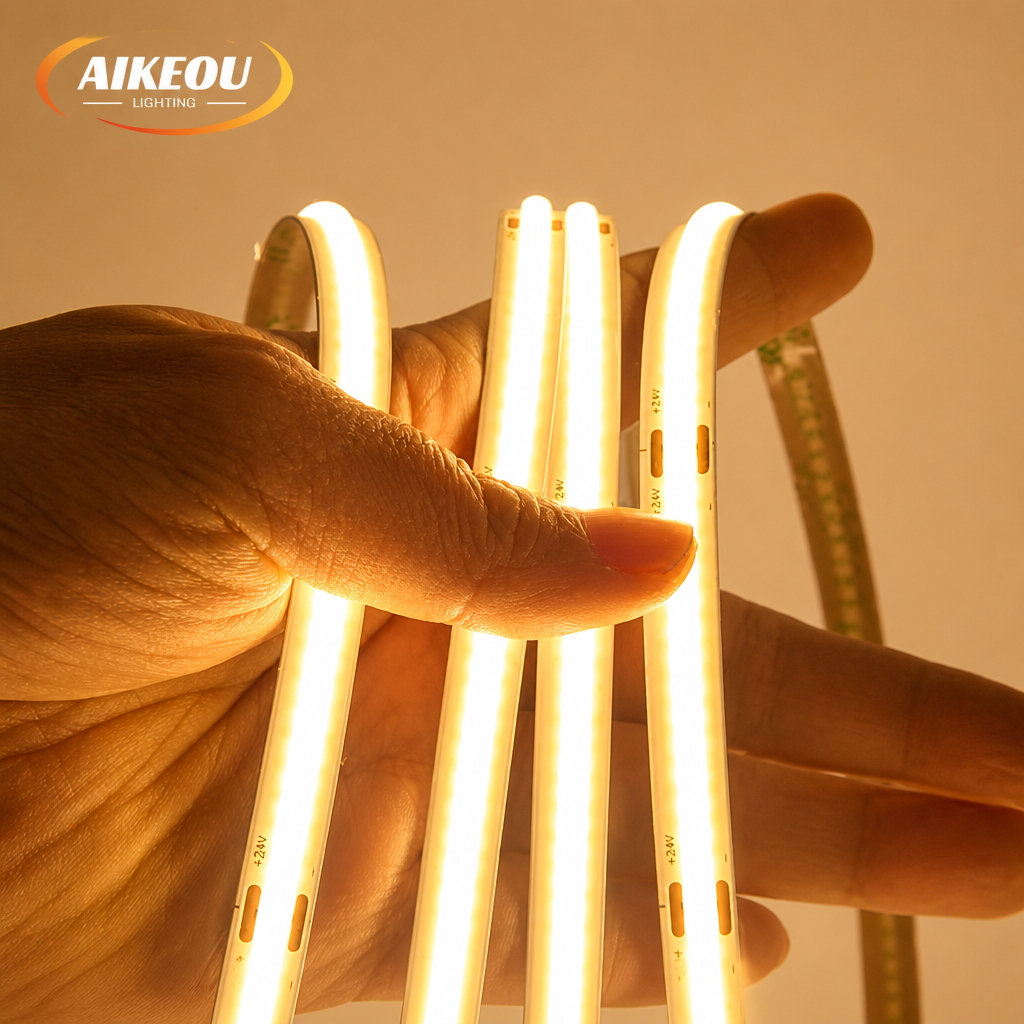
AIKEOU 2mm 5mm IP65 Cct Warm White Room Dimmable Flexible Ip68 5m 12v Smart Outdoor Waterproof 24v Cob Led Strip Light
- IP65 / IP68 Submersible
- CCT Tunable White
- 12V / 24V Outdoor
Engineering RGBIC Addressable Lighting: Architecture, Signals & COB Integration
In modern commercial, entertainment, and residential architectural lighting, the demand for dynamic illumination has evolved from basic uniform color shifts (standard RGB) to complex, multi-zone pixel control. This paradigm shift is spearheaded by RGBIC (RGB Integrated Circuit) addressable technology. Unlike legacy analog RGB LED tape—where every emitter along the circuit trace shares an identical ground-return signal and displays one solid color simultaneously—RGBIC tape incorporates micro-control driver ICs directly along the flexible printed circuit (FPC).
By isolating individual LED clusters into discrete addressable pixels, RGBIC strips empower lighting designers to execute flowing color chases, real-time music synchronization, volumetric spatial animations, and programmable digital neon effects. As a primary manufacturer in Shenzhen, China, our R&D focus centers on solving historical industry pain points associated with addressable LED strips: voltage attenuation, data signal corruption, thermal accumulation, and visible pixel dotting.
Comparing Control IC Protocols: WS2811, WS2812B, SK6812 & Dual-Signal Lines
Selecting the correct integrated circuit driver protocol is paramount when sourcing custom wholesale RGBIC LED strip lights from China exporters. The IC protocol dictates signal timing, refresh rate, supply voltage requirements, and fault tolerance:
| IC Chip Model | Voltage Architecture | Signal Type | Pixel Control Resolution | Break-Point Backup | Best B2B Application |
|---|---|---|---|---|---|
| WS2811 | External IC (DC 12V / 24V) | Single Wire (Data) | 1 IC controls 3 or 6 LEDs | No | Long-run architectural coves, budget commercial installs |
| WS2812B | Built-in SMD5050 (DC 5V) | Single Wire (Data) | Individual LED Pixel (1:1) | No | DIY ambient backlighting, smart home fixtures |
| WS2813 / WS2815 | Built-in (DC 5V / 12V) | Dual Data Lines (DI & BI) | Individual LED Pixel (1:1) | Yes (Continuous Transmission) | High-reliability stage design, permanent outdoor facades |
| SK6812 RGBW | Built-in (DC 5V / 12V) | Single Wire (Data + Clock) | RGB + Dedicated White (3000K-6500K) | No | Hospitality suite lighting requiring true architectural white |
| GS8208 | External / Built-in (DC 12V) | Dual Signal Line (12V Native) | Individual LED Pixel (1:1) | Yes (Continuous Transmission) | High-end commercial projects sensitive to single-chip failure |
For commercial engineering tenders, break-point continuous transmission (Dual-Signal Architecture) represents a massive leap in operational reliability. In standard single-wire IC setups like the WS2811, if a single LED chip or solder joint experiences thermal stress failure, the entire downstream data flow is severed, leaving the remainder of the strip dark. In dual-signal setups (WS2815/GS8208), the secondary backup data line (BI) bypasses the compromised IC, maintaining 100% downstream signal continuity and eliminating costly maintenance calls.
Next-Gen Development Trends in Wholesale RGBIC Lighting
Stay ahead of market shifts. B2B buyers and OEM importers must align their supply chains with these critical technology advancements shaping the 2025–2030 global LED market.
1. Transition from SMD to Dotless RGBIC COB
Traditional SMD5050 RGBIC strips suffer from visible pixel dots and glare when installed in shallow aluminum profiles. The fast-emerging trend is Chip-on-Board (COB) RGBIC linear tape. By packaging 576 to 720 micro-chips per meter under a continuous fluorescent silicone extrusion, COB RGBIC delivers a seamlessly smooth, dot-free line of dynamic color without deep diffusers.
2. Matter over Thread & Smart Ecosystem Native ICs
Global distributors are moving away from proprietary controller hubs. Next-generation RGBIC strips are engineered with native chipsets supporting Matter over Thread, Zigbee 3.0, and Wi-Fi BLE dual-mode protocols. This enables seamless, low-latency integration into Apple Home, Google Home, Amazon Alexa, and Tuya Smart ecosystems directly out of the box.
3. High-Voltage 24V/48V Constant Current Addressable Arrays
Low voltage (5V/12V) addressable strips suffer from severe voltage drop over extended runs, requiring tedious power injection every 5 meters. Future procurement is heavily leaning toward 24V and 48V Constant Current (CC) RGBIC circuits capable of continuous 15 to 20-meter single-ended power feeds with uniform brightness from start to end.
4. Solid Silicone Co-Extrusion (IP68 Weatherproofing)
Legacy PVC tubing yellowed, cracked under UV radiation, and permitted moisture ingress in outdoor installations. High-end exporters now utilize integrated silicone co-extrusion moulding. This process bonds the FPC inside optical-grade, UV-stabilized silicone, achieving true IP68 waterproof ratings for sub-zero landscapes, saunas, and coastal architectural facades.
5. Ultra-Narrow Form Factors (2.7mm - 5mm FPC)
As furniture makers, display case manufacturers, and automotive designers integrate lighting into tight spatial grooves, demand for micro-width RGBIC and COB strips is surging. Custom 3mm and 5mm copper FPCs allow seamless embedding into structural joints without compromising thermal performance.
6. Wide-Spectrum RGBW & High CRI (>95) Tunable Arrays
Commercial buyers no longer accept muddy, mixed-white light created by driving RGB channels simultaneously. Modern RGBIC specifications combine RGB color dynamics with dedicated high-CRI (Ra > 90 / R9 > 50) warm white and cool white chips, permitting precise task lighting and biological human-centric circadian dimming.
Voltage Drop Mitigation, Copper Weight & Thermal Dissipation
When purchasing RGBIC LED strips in wholesale quantities from China factories, engineering specifications directly determine long-term field reliability. Two paramount technical factors are FPC Copper Thickness and Voltage Drop Calculation.
1. Double-Sided Rolled Copper FPC (2oz vs 3oz)
Cheap commercial-grade LED strips rely on single-layer 0.5oz or 1oz electrolytic copper traces. Under continuous RGBIC dynamic loads, thin copper generates high internal resistance, leading to excessive heat generation, color shift at the strip tail, and trace delamination. Shenzhen Vokud Technology utilizes 2oz and 3oz double-sided pure rolled copper FPCs. Rolled copper offers superior flexibility without micro-fracturing and maintains low impedance, reducing heat buildup by up to 35%.
2. Thermal Dissipation & Profile Pairing
RGBIC arrays pack dense IC chips and LED emitters close together. Junction temperature ($T_j$) directly impacts lumen depreciation (L70 lifetime) and color stability. Operating temperature must be maintained below 65°C. For wattage exceeding 12W/meter, mounting the flexible PCB inside anodized aluminum extrusion profiles is mandatory to conduct heat away from the die.
Shenzhen Vokud Technology Co., Ltd. – Enterprise Advantages
As an SGS-verified manufacturer, we bridge the gap between low-cost Chinese factory pricing and strict international OEM compliance standards.
SGS On-Site Verified
Our production facilities, SMT lines, QA protocols, and trading legitimacy undergo rigorous on-site audit verification by SGS Group, giving global importers complete peace of mind.
End-to-End OEM/ODM
From custom PCB circuit layout, IC protocol integration, and specialized optical silicone tooling to private-label branded reel packaging and custom wire connectors.
9-Step QA & Photometrics
Every shipment passes incoming raw material testing, high-speed SMT optical placement inspection, 100% light-on aging tests, integrating sphere color consistency binning, and salt-spray testing.
Global Market Compliance
Complete certification dossier including CE, RoHS, FCC, EMC, and DoC compliance documentation available for smooth customs clearance across Europe, North America, and Australia.
Frequently Asked Questions for Wholesale LED Strip Procurement
Clear, direct answers to common engineering, commercial, and logistical questions from global importers, wholesalers, and lighting contractors.
Request a Custom Wholesale Quote & Engineering Sample Kit
Consult directly with our Senior LED Application Engineers. We provide full technical specification sheets, IES photometrics, customized PCB design quotes, and sample reels within 24 hours.
