High-Performance Silicone & COB Neon LED Strips
Engineered for high humidity, airborne salt spray, and direct solar exposure. Fully certified for commercial and resort developments.


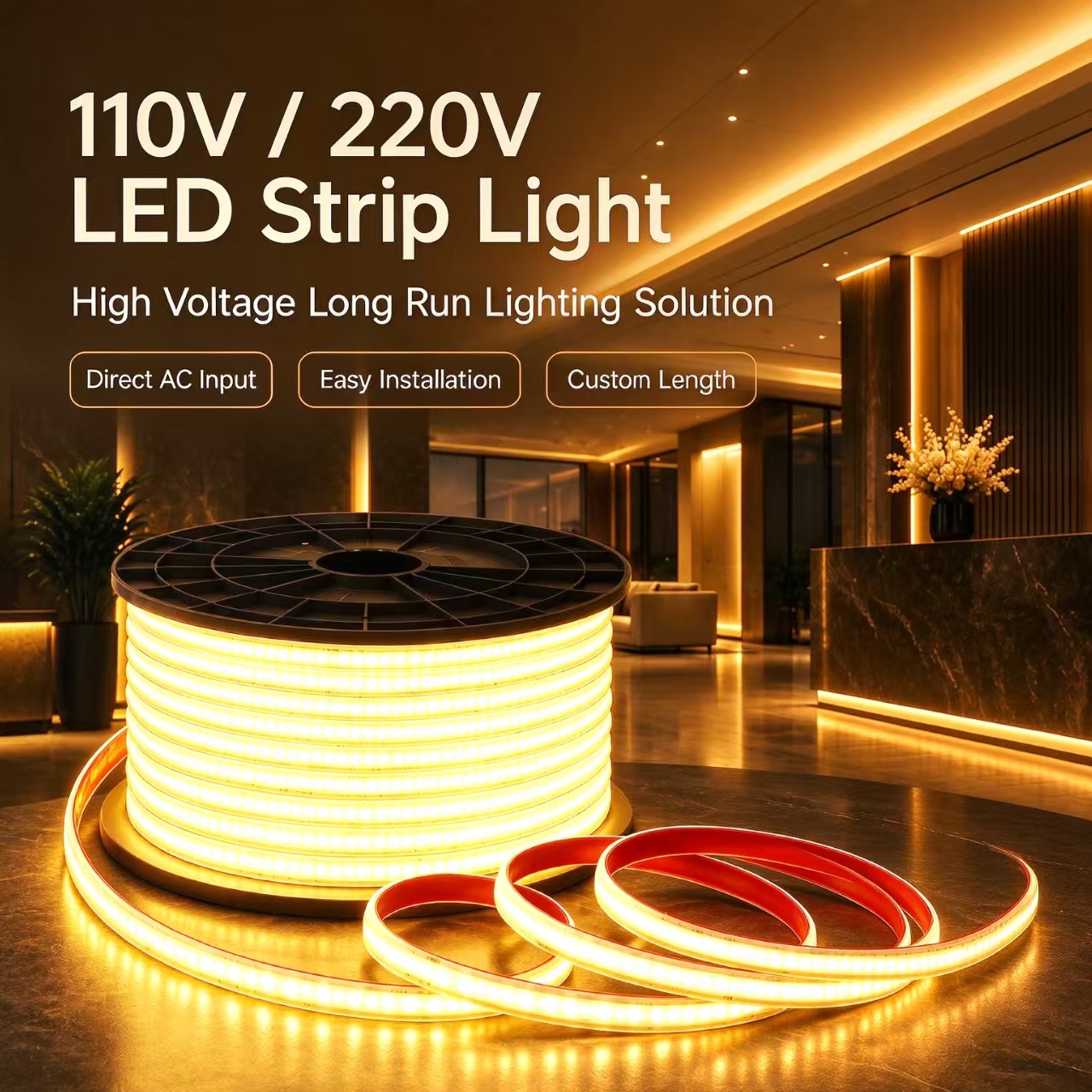

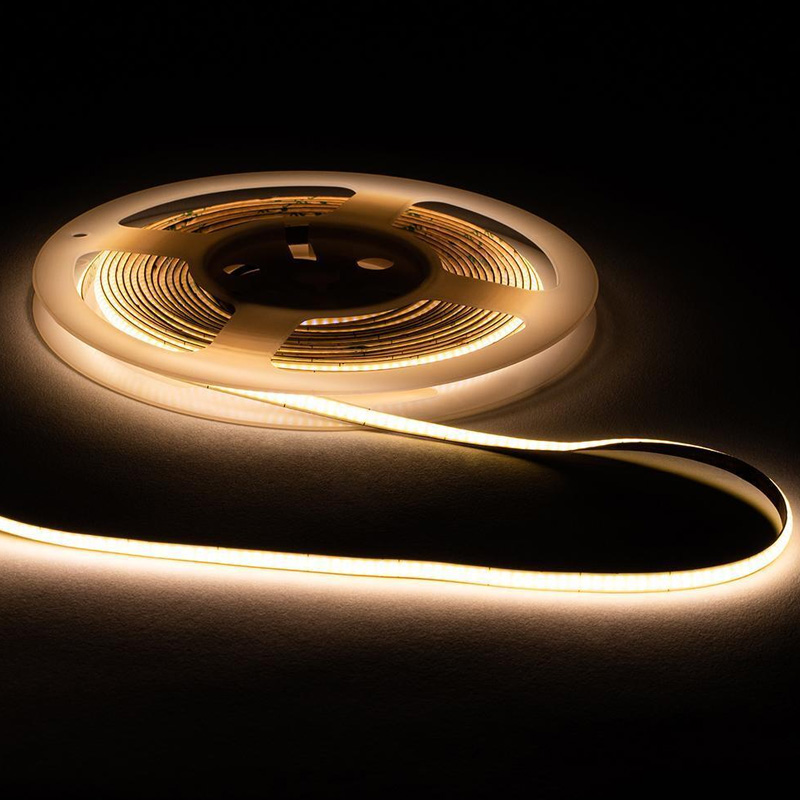

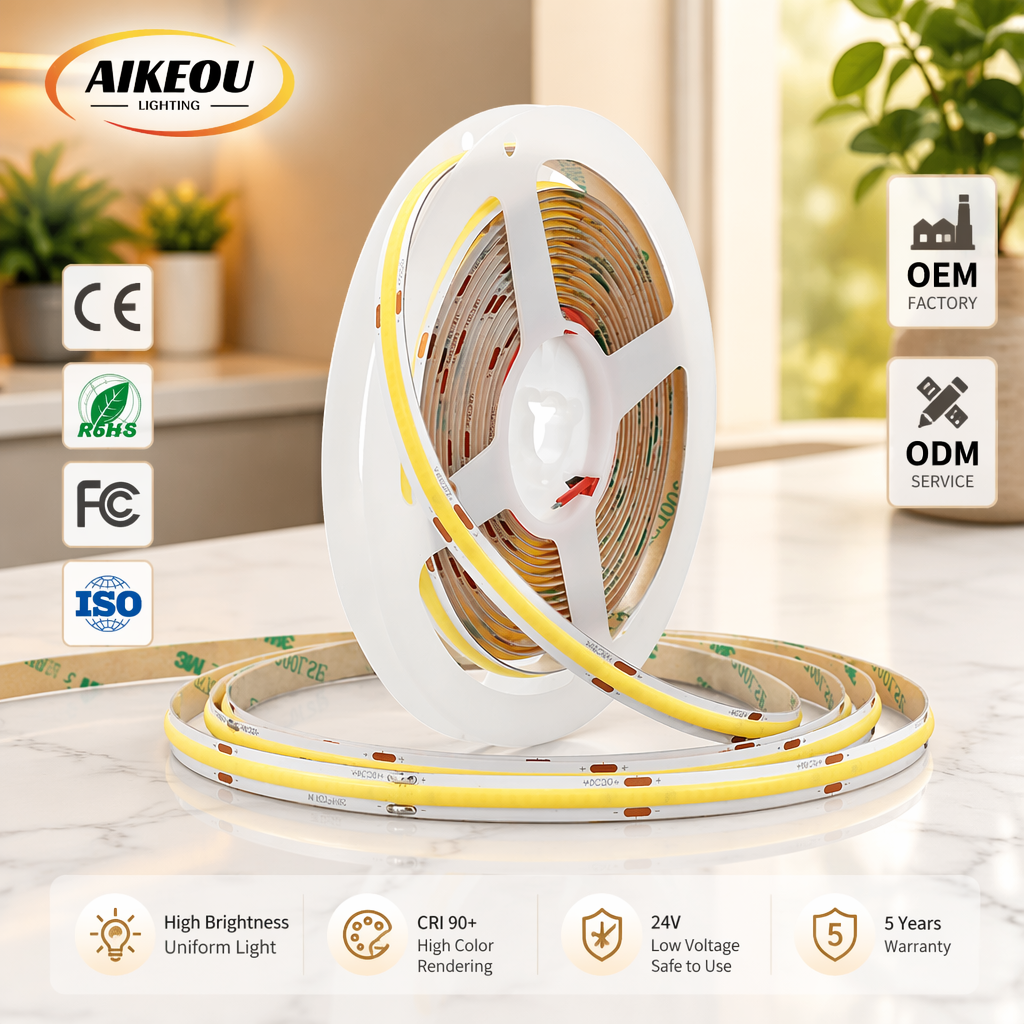
Silicone Neon Lighting Dynamics in Kiribati's Atoll Environment
Why environmental durability, thermal management, and solar microgrid integration dictate linear lighting specification in South Tarawa, Kiritimati, and outer islands.
The Republic of Kiribati—comprising 33 low-lying atolls and reef islands spread across 3.5 million square kilometers of the central Pacific Ocean—presents one of the most demanding environmental operating conditions in the world for architectural and commercial lighting installations. With extreme ambient humidity frequently exceeding 88%, continuous salt-laden sea breeze aerosol, intense tropical ultraviolet radiation (UV Index consistently reaching 11 to 13), and elevated equatorial ambient temperatures averaging 31°C year-round, conventional exterior lighting systems experience rapid degradation.
Historically, commercial venues, government infrastructure projects, resort bungalows in South Tarawa, and marine dock facilities relied on PVC-encapsulated neon flex or rigid fluorescent fixtures. However, PVC lighting in Kiribati rapidly suffers from photo-oxidation yellowing, micro-cracking due to plasticizer leaching, moisture ingress leading to short circuits, and thermal suffocation.
The Shift to Integrated Silicone Neon Extrusion: Modern engineering standards across Micronesia now mandate food-grade optical silicone co-extrusion for architectural linear lighting. Silicone silicone neon strip lights maintain permanent flexibility between -40°C and +200°C, possess zero chemical reactivity to airborne salt spray (sodium chloride deposition), and demonstrate complete optical clarity without UV-induced chromatic shift over 50,000 operational hours.
| Performance Parameter | Food-Grade Silicone Neon Flex | Standard PVC Neon Flex | Traditional Glass Neon |
|---|---|---|---|
| UV Radiation Resistance (Equatorial) | No Yellowing / Degradation (>10 Yrs) | Yellows & Cracks in 6–12 Months | Inert (Glass tube breaks easily) |
| Salt Spray & Corrosion (ASTM B117) | 100% Non-Corrosive Waterproof (IP68) | Seals Harden, Water Ingress (IP65) | Metal Electrodes Corrode Quickly |
| Thermal Dissipation Efficiency | High (Thermal Conductivity 0.2W/m·K) | Poor (Traps heat, degrades LED chip) | Generates excessive heat |
| Minimum Bending Radius | Ultra-Flexible (Down to 15mm) | Rigid when warm (Min 80mm) | Non-bendable on site |
| Voltage Integration | DC 12V / 24V (Direct Solar Native) | AC 110V/220V (Requires Inverters) | High Voltage Transformer (5000V+) |
Top 10 Silicone Neon Strip Suppliers & Wholesalers in Kiribati
Evaluated based on factory manufacturing capability, marine-grade silicone extrusion technology, Kiribati supply-chain logistics, and solar system compatibility.
Shenzhen Vokud Technology Co., Ltd.
- Direct factory customization from low 5m MOQ with custom lead wires
- IP68 solid silicone encapsulation passing 1000-hr ASTM B117 salt fog test
- Native 12V/24V low-voltage DC solar microgrid system compatibility
South Pacific LED Solutions
- Regional stock buffer reducing sea freight lead times
- Pre-assembled mounting aluminum channels and IP67 end-caps
Ocean Lighting Systems Kiribati
- On-island inventory for immediate project maintenance needs
- Specialized in 12V DC marine deck and cabin ambient lighting
Pacific Solar & Architectural Lighting
- Specialized in ultra-low power consumption 24V DC silicone flex
- Solar charge controller direct-pair wiring setups
Coral Reef Eco-Lighting Ltd.
- Custom low-wavelength wildlife-friendly color options
- Flexible dome-top 360-degree round silicone neon extrusions
Kiribati Renewable Energy & Hardware
- Wholesale pricing structures for government construction tenders
- Heavy-duty mounting hardware and marine stainless clips
Micronesian Neon Flex Works
- Small bending radius for tight letter formation
- High-density LED chips eliminating spot diffusion shadows
Austral-Pacific Marine Lighting Supplies
- Fully sealed IP68 underwater continuous run capability
- UV-stabilized anti-fouling silicone surface finish
Equator Bright Lighting Co.
- DMX512 and SPI smart control protocol integration
- Seamless color mixing with High CRI90+ color accuracy
Tarawa Electrical & Construction Wholesalers
- Convenient localized cash-and-carry purchasing
- Basic mounting accessory supply and wiring consumables
Where Silicone Neon Flex Transforms Kiribati Lighting Projects
Tailored lighting solutions engineered to solve specific geographical, architectural, and environmental challenges across the Gilbert and Line Islands.
Overwater Bungalows & Lagoon Resorts
Installed along the perimeter decking, underside eaves, and palm-thatched walkways of luxury eco-resorts in South Tarawa and Kiritimati. Silicone IP68 neon flex resists direct ocean water splashing, atmospheric salt fog, and continuous UV exposure while delivering soft 2700K indirect ambient glare-free illumination.
Solar-Powered Municipal Promenades & Seawalls
Mounted along the Betio Seawall, civic plazas, and causeway pedestrian pathways. Operating natively on 12V or 24V DC power fed directly from solar charge controllers and lithium storage batteries without inverting to AC, maximizing grid-free energy efficiency in outer island villages.
Marine Vessels, Ferries & Fishing Docks
Equipped on passenger inter-atoll ferries, fishing vessel decks, and boat landing docks in Bairiki Port. Silicone extrusion stands immune to engine fuel vapors, heavy mechanical vibration, and continuous salt water washing, providing reliable safety step lighting.
High-Humidity Interior & Retail Cabinet Lighting
Applied within commercial stores, restaurants, and government buildings. COB silicone neon strips offer totally dotless, seamless continuous linear illumination in under-cabinet shelves, architectural ceiling coves, and display cases without generating localized heat spots.
Emerging Trends Shaping Kiribati Linear Lighting Procurement
Key drivers behind material transition, renewable integration, and eco-sustainable infrastructure growth.
1. Acceleration of 100% Solar DC Integration
With Kiribati aggressively pursuing national renewable energy targets to reduce reliance on imported diesel fuel, major building projects are transitioning directly to DC low-voltage microgrids. Silicone neon flex operating on 24V DC connects seamlessly to solar charge buses, eliminating power loss from DC-to-AC-to-DC double conversions.
2. Mandatory Elimination of PVC in Marine Infrastructure
Environmental tenders issued for South Tarawa urban development now actively penalize PVC lighting due to micro-plastic flaking in marine environments and short life cycles under extreme UV. Food-grade silicone extrusions are fast becoming the mandatory baseline in project specifications.
3. Adoption of Addressable RGBIC & Tunable CCT
Ecotourism operators and hospitality developments are moving beyond single-color static lighting. Intelligent WS2811/WS2812B addressable silicone neon strips and CCT dual-color temperature tunable strips allow venues to shift from warm ambient lighting during dining to dynamic dynamic visual programs for island cultural performances.
Frequently Asked Questions for Kiribati Importers & Contractors
Expert answers addressing customs logistics, technical installation, and environmental protection in Micronesia.
How do silicone neon strips handle shipping humidity and sea freight to Tarawa Port (TRW)?
What is the difference between IP65, IP67, and IP68 silicone neon flex for lagoon installations?
Can these silicone neon strips be powered directly by 12V/24V solar battery banks?
How do I calculate voltage drop over long continuous neon strip runs?
Why is COB (Chip on Board) silicone neon superior to traditional SMD neon flex?
Why Global Importers Partner with Shenzhen Vokud Technology
As an SGS-verified custom manufacturer, Shenzhen Vokud Technology Co., Ltd. bridges the gap between high-tech LED engineering and real-world environmental challenges in the Pacific region.
SGS On-Site Verified
Fully audited manufacturing facility, automated die bonding lines, and photometric testing labs.
Flexible Low 5m MOQ
Custom PCB widths, silicone extrusion profiles, and lead wire lengths tailored to project drawings.
Complete Certification
CE, RoHS, FCC, EMC, and DoC documentation ready for international customs clearance.
Strict 100% Quality QC
Multi-stage inspection including 24-hour continuous aging, light-on checks, and waterproof verification.
Ready to Import High-Grade Silicone Neon Flex to Kiribati?
Contact our engineering sales team today for customized product catalogs, factory wholesale pricing, and comprehensive technical datasheets.
