High-Performance Silicone Neon Flex & COB Lighting Strips
Engineered for high thermal resistance, oceanfront humidity, and dotless aesthetic appeal across the Kingdom of Tonga.

Aikeou 320LEDs/m 8mm 10W/m CRI90+ Super Bright Dot-free COB Light
- 320 Chips/m
- 8mm Slim PCB
- CRI 90+
- WiFi / App Control

Aikeou 400D 3mm 7W Copper COB 400LED/m High CRI90 Ultra-Narrow
- 3mm PCB
- 400 LEDs/m
- Pure Copper
- CE/RoHS/FCC
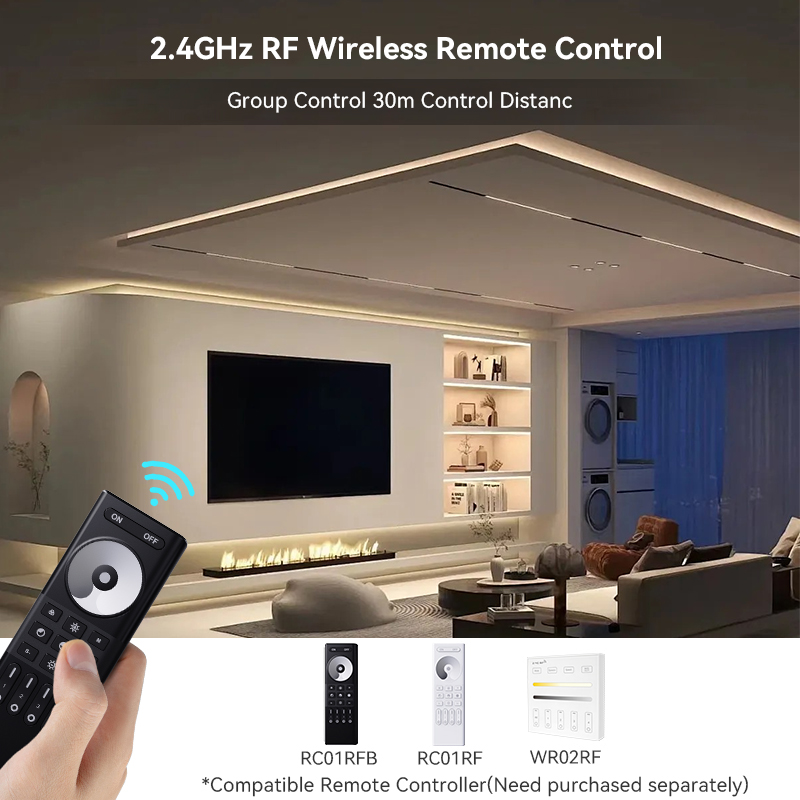
2.4GHz RF Wireless Dimmer Controller RGB/RGBCCT 288W 15A Remote
- 288W High Power
- 15A Load Capacity
- 30m Distance
- Group Sync
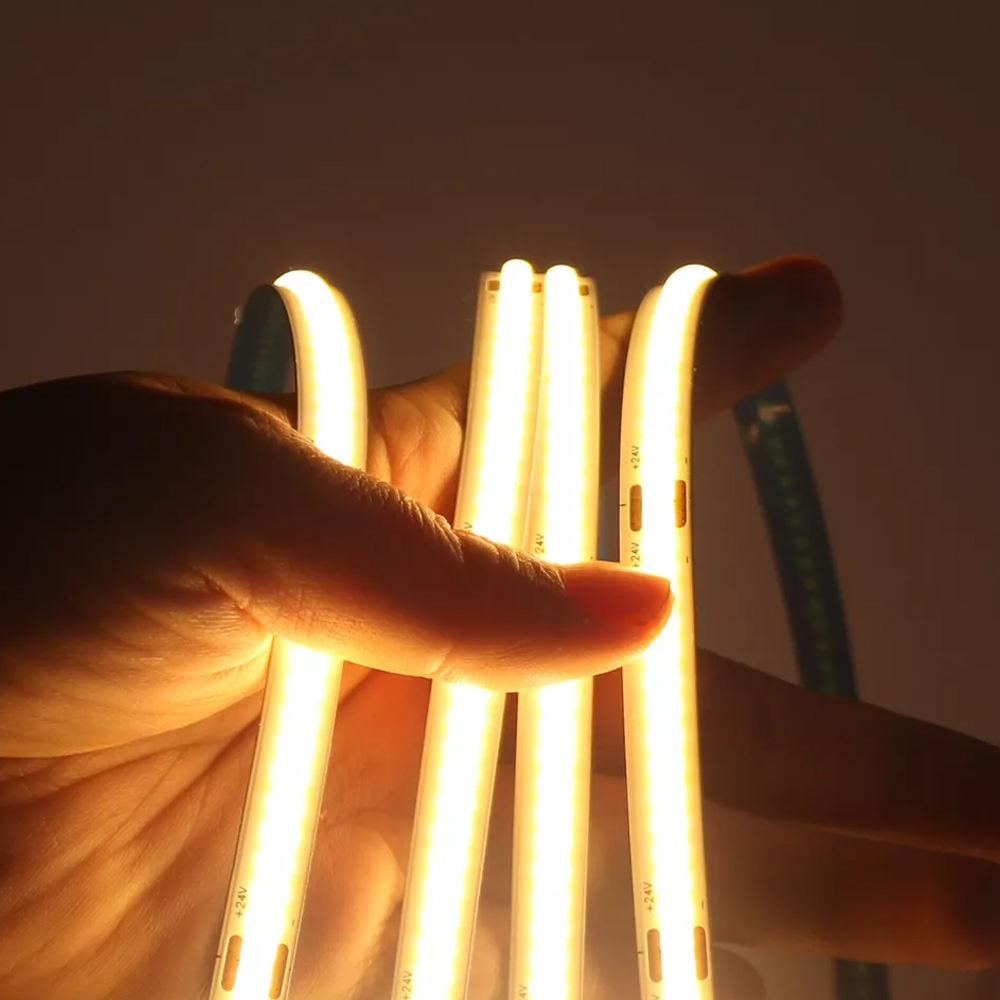
Aikeou 480LEDs/m 8mm 11W/m 24V Flexible Copper PCB COB Light
- 480 LEDs/m
- 24V Low Drop
- 3000K-6500K
- CRI 90
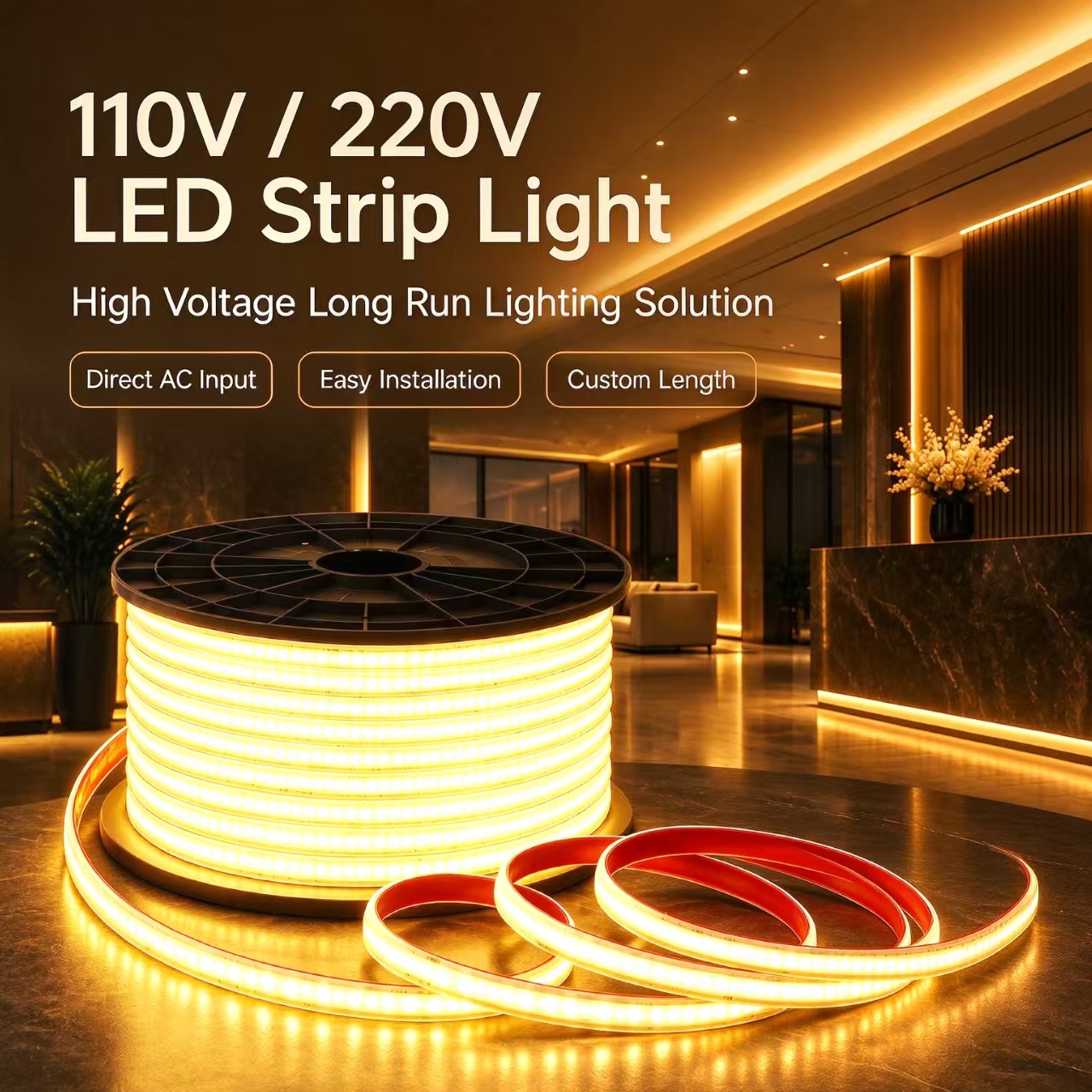
AIKEOU IP65/IP68 Marine Grade 220V/110V Outdoor COB Neon Strip
- IP68 Submersible
- Direct AC Input
- UV Silicone
- Facade Ready
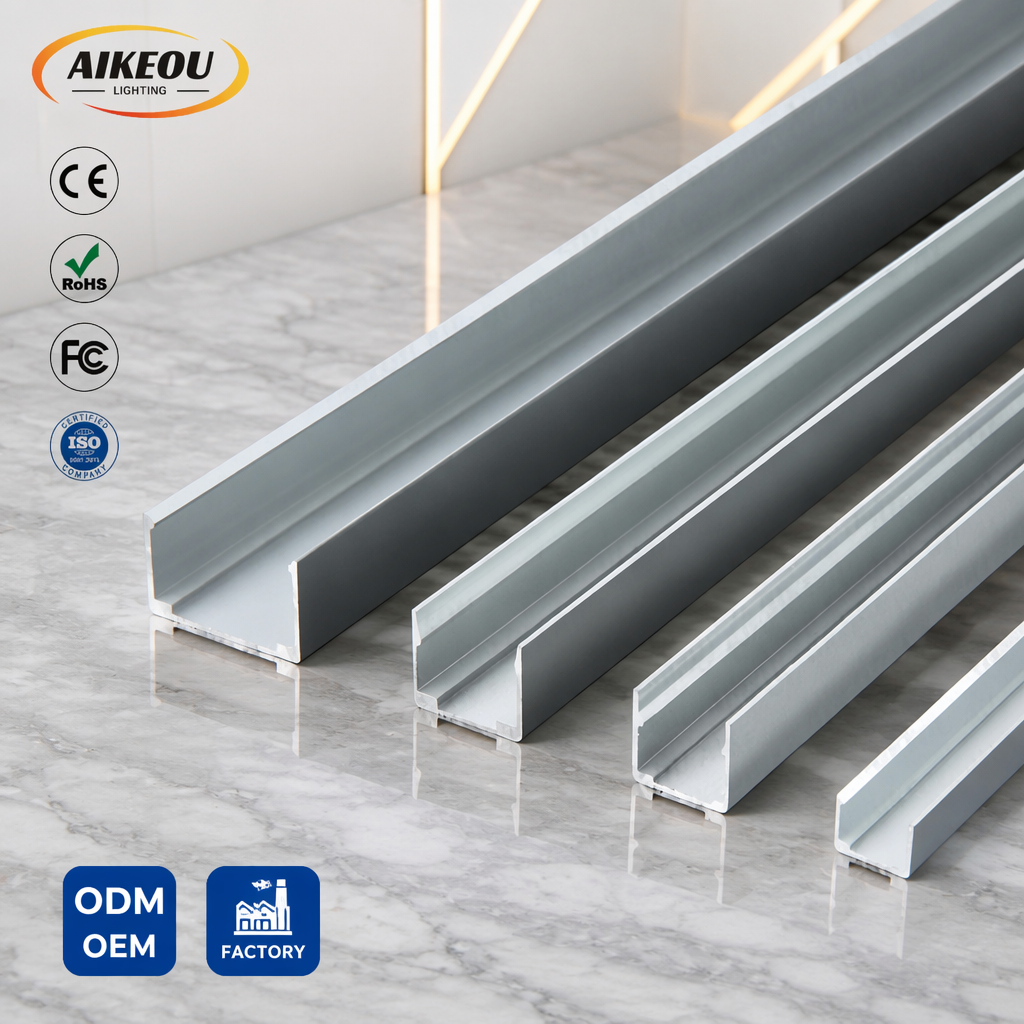
Aikeou Flexible Silicone Neon Flex Ribbon Light with Mounting Clips
- 5V / 12V / 24V
- Side / Top Bend
- CRI 90
- Full System Clips
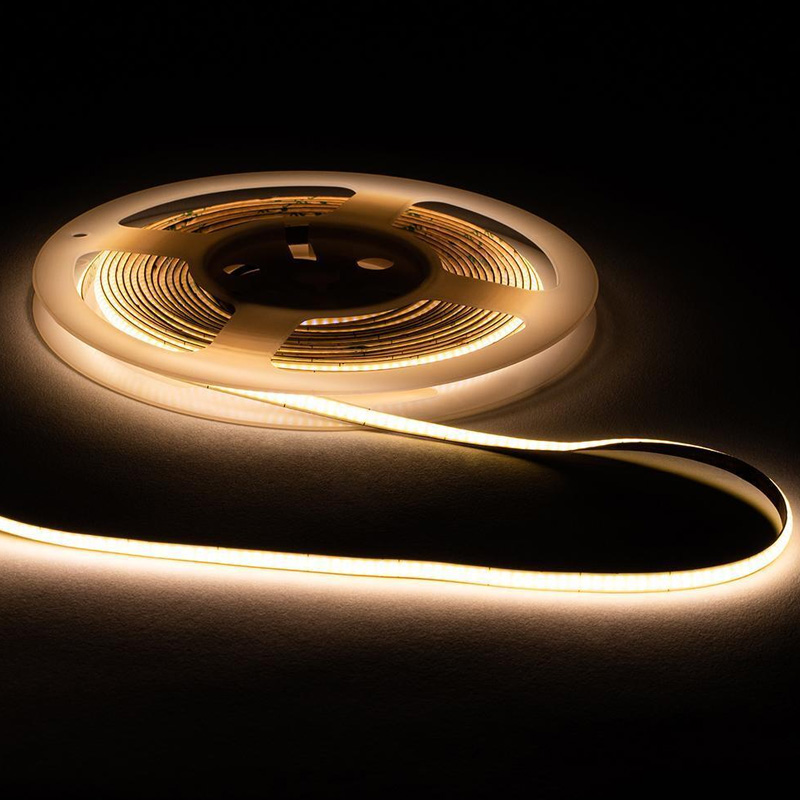
Aikeou Factory Supply 312/320/384/480 LEDs/m COB Strip for Cabinet
- 5mm / 8mm PCB
- 10W/m High Output
- 12V / 24V
- Architectural DIY

Aikeou Manufacturer Wholesale Flexible Soft COB Light Strip Set
- 3mm to 8mm Widths
- 7W/m Low Draw
- Remote Sync
- Bulk Wholesale
Engineering Silicone Neon Flex Systems for Neiafu & The Vava'u Archipelago
A comprehensive technical assessment on optical continuity, salt fog corrosion resistance, thermal dissipation, and low-voltage distribution in tropical marine environments.
1. The Tropical Marine Challenge: Why Silicone Outperforms PVC/TPU in Neiafu
Neiafu, serving as the commercial and maritime hub of the Vava'u island group in the Kingdom of Tonga (Latitude 18.6514° S), presents one of the world's most challenging operating environments for exterior architectural lighting. Tropical marine microstrates are characterized by intense ultraviolet (UV) irradiation exceeding UV Index 12+, high ambient relative humidity averaging 80% to 90% year-round, constant atmospheric salt fog (salinity levels up to 3.5%), and seasonal tropical cyclone exposure.
Legacy flexible neon alternatives—predominantly constructed from Polyvinyl Chloride (PVC) or Thermoplastic Polyurethane (TPU)—degrade precipitously under these conditions. Standard PVC extrusions undergo photochemical yellowing and embrittlement due to plasticizer leaching caused by prolonged solar UV exposure and high thermal loads. Within 6 to 12 months of deployment in Neiafu’s coastal resorts or wharf installations, PVC neon channels develop micro-cracks, allowing salt spray and moisture to penetrate the PCB cavity, resulting in catastrophic galvanic corrosion of copper traces and driver failure.
As a leading Silicone Neon Flex Supplier & Wholesaler for the Neiafu market, our engineering division specifies exclusively food-grade, high-molecular-weight silicone co-extrusion technology. Liquid Silicone Rubber (LSR) extruded profiles maintain absolute optical clarity, thermal stability from -50°C to +200°C, and structural flexibility without hardening or yellowing over extended lifespans.
| Material Property | Food-Grade Silicone (Vokud Standard) | Standard PVC Extrusion | TPU (Polyurethane) |
|---|---|---|---|
| UV Degradation Resistance | Zero Yellowing (5,000 hrs Xenon Arc Test) | Severe Yellowing within 6-12 Months | Moderate Resistance; Hazes over time |
| Salt Mist & Fog Immunity | ASTM B117 / IEC 60068-2-52 Compliant | Degrades via micro-fractures | Susceptible to chemical pitting |
| Operating Temperature Range | -50°C to +200°C continuous | -10°C to +60°C (becoming brittle) | -30°C to +80°C |
| Ingress Protection Capability | Integrated Silicone End-Cap IP68 | Glue/Cap Bond (Prone to delamination) | Heat-shrink cap IP65 max |
| Chemical / Thermal Stability | Hydrophobic, Marine Algae Resistant | Absorbs moisture and airborne oil | Moderate organic resistance |
2. Optical Innovation: COB (Chip-on-Board) Integration vs. Traditional SMD
Traditional neon flex strips rely on Surface-Mounted Device (SMD 2835 or 5050) LEDs spaced at intervals of 60 to 120 diodes per meter. To obscure individual light spots ("hotspots"), manufacturers must increase the depth of the diffusing jacket, sacrificing lumen efficiency and flexibility. In high-end hospitality venues around Port-of-Neiafu—such as waterfront restaurants, eco-luxury villas, and private yacht charters—visible lighting pixelation creates an unrefined, industrial appearance that detracts from the ambient aesthetic.
Our continuous COB (Chip-on-Board) Silicone Neon Flex solves this engineering tradeoff. By mounting hundreds of micro-chips (ranging from 320 to 576 LEDs per meter) directly onto a flexible pure-copper printed circuit board and encapsulating them under a continuous phosphor-silicone matrix, COB technology creates a completely uniform, dot-free ribbon of light. This delivers significant optical and structural advantages for Neiafu buyers:
- Wide 180° Ultra-Smooth Emission Angle: Eliminates shadowy dark spots and glare, providing smooth indirect illumination in recessed ceiling coves, under-counter bars, and exterior decking.
- High Color Rendering Index (CRI 90+ / CRI 95+): Renders natural wood textures, vibrant tropical fauna, and architectural stone finishes with realistic color fidelity, essential for luxury resort lighting.
- Optimized Thermal Dissipation: Direct mounting of chips on 3oz double-sided copper PCBs reduces junction temperatures by up to 15°C compared to SMD, directly extending lumen maintenance (L70 > 50,000 hours).
3. Localized Application Scenarios Across Neiafu & Vava'u
Wholesalers, electrical contractors, and resort developers in Neiafu require versatile lighting solutions capable of serving diverse interior and marine exterior environments. Our silicone neon flex and COB light strip systems are custom-engineered for specific local application profiles:
Port & Marine Docks
IP68 silicone neon flex strips installed on marina boardwalks, mooring piers, and pontoon gangways around Neiafu Harbor withstand constant seawater submersion, tidal splashing, and heavy deck washdowns.
Eco-Resort Accents
Recessed into timber walkways, open-air fale thatched roofs, and infinity pool borders, warm CCT (2700K-3000K) silicone flex blends softly into Neiafu’s pristine natural landscapes.
Solar Off-Grid Projects
Designed for native 24V DC battery bank integration, our high-efficacy COB strips draw minimal wattage per lumen, ideal for island resorts relying on rooftop photovoltaic power generation.
4. Market Development Trends in the Tongan Lighting Sector
The Kingdom of Tonga is currently undergoing a structural transition in energy and architectural standards driven by two primary forces: the Tonga Energy Road Map (TERM) aimed at reducing diesel import reliance, and the rapid expansion of high-end eco-tourism in outer island groups like Vava'u.
- Phase-Out of High-Voltage Glass Neon: Traditional glass neon tubes require 5,000V-15,000V transformers that suffer high failure rates in humid marine air, present fire hazards, and are easily shattered during tropical storm force winds. Wholesale buyers in Neiafu are replacing glass neon with low-voltage (24V DC) silicone neon flex that is shatterproof, cuttable on-site, and highly energy-efficient.
- Transition to Low-Voltage 24V DC Systems: To mitigate line loss and voltage drop across long runs (10 to 20 meters), professional installers in Neiafu are shifting away from 12V DC toward 24V DC constant-current neon flex, simplifying wiring layouts and reducing copper conductor costs.
- Dark-Sky & Marine Turtle Conscious Lighting: Environmental guidelines in coastal South Pacific regions favor warm 2200K–2700K color temperatures or Amber/Red wavelength lighting for beachfront installations to prevent disorienting local marine fauna while creating inviting evening ambiance.
Why Partner with Shenzhen Vokud Technology Co., Ltd.
Direct OEM/ODM manufacturing capability tailored for South Pacific importers and project distributors.
SGS Audited Facility & Full Certification
Our state-of-the-art Shenzhen manufacturing facility is verified on-site by SGS Group. Every reel of silicone neon flex and COB light strip carries complete CE, RoHS, FCC, and EMC documentation, guaranteeing seamless customs clearance at the Port of Nuku'alofa and Neiafu Harbor.
Precision Automated Co-Extrusion
Utilizing high-speed automated silicone extrusion lines, we maintain strict dimensional tolerances across custom profile geometries (top-view bend, side-view bend, 360-degree round, and ultra-narrow 3mm/4mm micro flex). Optical output is tested via integrating spheres to ensure MacAdam 3-Step ellipse color consistency.
Custom OEM/ODM Packaging & MOQ Flexibility
We empower regional wholesalers in Neiafu with low minimum order quantities (from 5 meters per spec), custom reel lengths, private label branding, barcoding, and custom aluminum mounting channel kits tailored for rapid site assembly.
100% Quality Aging & Waterproof Assurance
No product leaves our factory without undergoing a 100% light-on burn-in test for 8 to 24 hours, followed by high-pressure water immersion testing for IP67/IP68 rated models. This rigorous protocol prevents early mortality on remote Pacific island job sites where replacements incur high freight costs.
Frequently Asked Questions for Neiafu Wholesale & Project Procurement
Clear engineering and commercial guidance for importers, contractors, and local business owners in Vava'u.
What are the ocean freight and logistics lead times to Neiafu, Vava'u? +
For wholesale orders destined for Neiafu, shipments typically depart from Shenzhen port via international sea freight routing through Nuku'alofa (Tongatapu) before connecting on inter-island cargo vessels (such as the MV 'Otuanga'ofa or local freighter routes) to Neiafu Harbor. Total sea transit lead time generally ranges between 21 and 35 days. For urgent resort construction or replacement orders, express air freight via Fua'amotu International Airport (TBU) to Lupepau'u Airport (VAV) in Neiafu takes 5 to 9 business days. Our logistics team handles full export documentation, packing lists, and commercial invoices compliant with Tonga Customs clearance requirements.
How does silicone neon flex hold up against high salt mist in coastal Vava'u resorts? +
Standard LED tape lights protected by thin epoxy resin (IP65) yellow and crack quickly under marine conditions. Our IP68 silicone neon flex uses a fully enclosed liquid silicone extrusion process certified under IEC 60068-2-52 salt mist corrosion standards. Silicone is chemically inert and hydrophobic; it will not react with ocean salt spray, airborne humidity, or cleaning chemicals. When coupled with our injection-molded silicone end-caps and marine-grade waterproof connectors, the strip forms a completely sealed chamber preventing copper oxidation.
Can these neon flex strips be powered directly by Tonga's 240V grid power or solar battery banks? +
Tonga operates on a 240V AC / 50Hz electrical supply. We offer two system architecture choices:
1) Low-Voltage 24V DC Systems (Recommended): Utilizes a weather-resistant Mean Well or equivalent IP67 AC-to-DC power driver converting 240V AC to stable 24V DC. These low-voltage lines are safe for guests in outdoor resort decking, saunas, and swimming pools, and connect directly to 24V solar battery storage banks.
2) Direct High-Voltage 220V/240V AC COB Strips: Runs directly off mains electricity for continuous long-distance perimeter runs up to 50 meters without intermediate drivers, ideal for high building facades around Neiafu waterfronts.
What is the maximum continuous run length before experiencing voltage drop? +
Voltage drop causes visible brightness dimming towards the end of a long strip run. For our standard 24V DC COB silicone neon flex, single-end power feeding allows continuous runs of up to 5 to 10 meters with perfectly uniform luminosity. By applying double-end power feeding (connecting 24V power to both ends of the reel), single continuous runs can reach up to 15 to 20 meters. For architectural projects requiring longer unbroken linear runs without extra wiring, our 220V AC high-voltage COB flex can extend up to 50 meters on a single feed point.
Are custom cut lengths and accessory clips provided for local installation? +
Yes. Our silicone neon flex features clear cutting mark indicators spaced at short increments (e.g., every 10mm, 25mm, or 50mm depending on chip density and voltage). We supply a full suite of mounting accessories, including stainless steel 316 marine-grade clips, clear polycarbonate mounting channels, flexible aluminum tracks for curved artistic signage, and specialized waterproof silicone sealant kits so local electricians in Neiafu can trim and re-seal strips on-site with total confidence.
What warranty policy and technical support do you offer to island importers? +
We provide a comprehensive 3-year to 5-year factory replacement warranty on our commercial-grade silicone neon flex series. In the rare event of a manufacturing defect or component fault, our engineering team provides rapid diagnostic support via video call or email and dispatches warranty replacement reels along with your next sea shipment or via expedited air courier. Detailed photometric IES files, wiring diagrams, and load calculation sheets are supplied for all project tenders.
Partner with China's Premier Silicone Neon Flex Manufacturer
Elevate your product catalog or secure factory-direct pricing for your next resort lighting project in Neiafu, Vava'u, and across Tonga. Our engineering sales team responds within 12 hours.
