Export-Grade High Density COB & Smart Strip Lights
Designed for seamless continuous illumination with zero diode hot-spotting, tight MacAdam ellipse binning, and robust thermal endurance across Nordic seasonal cycles.

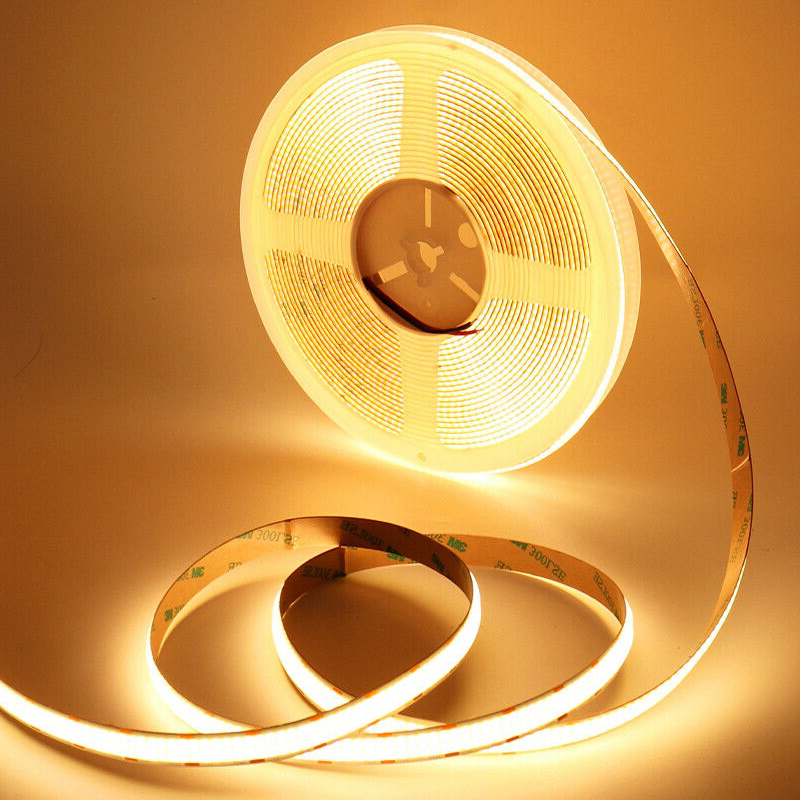
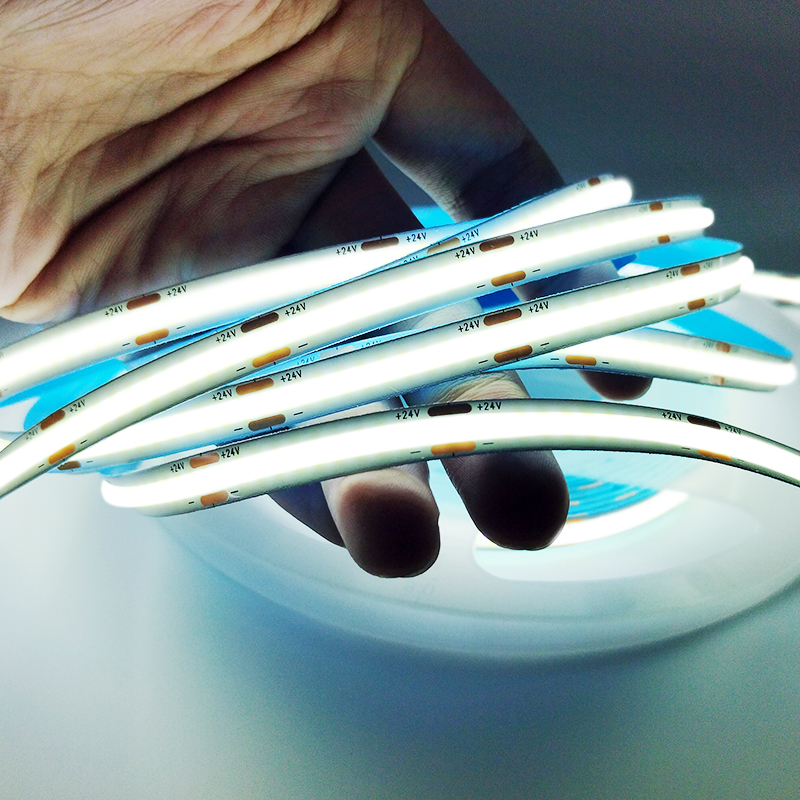


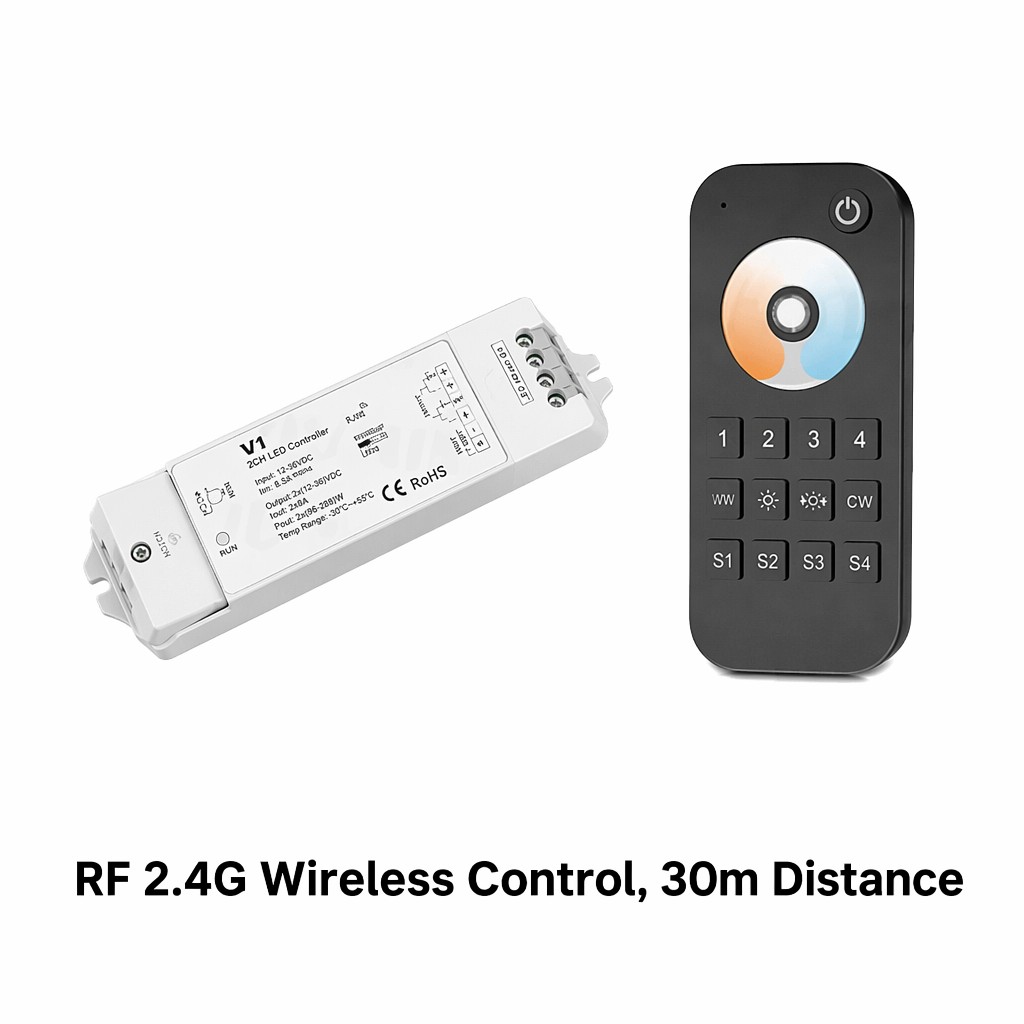
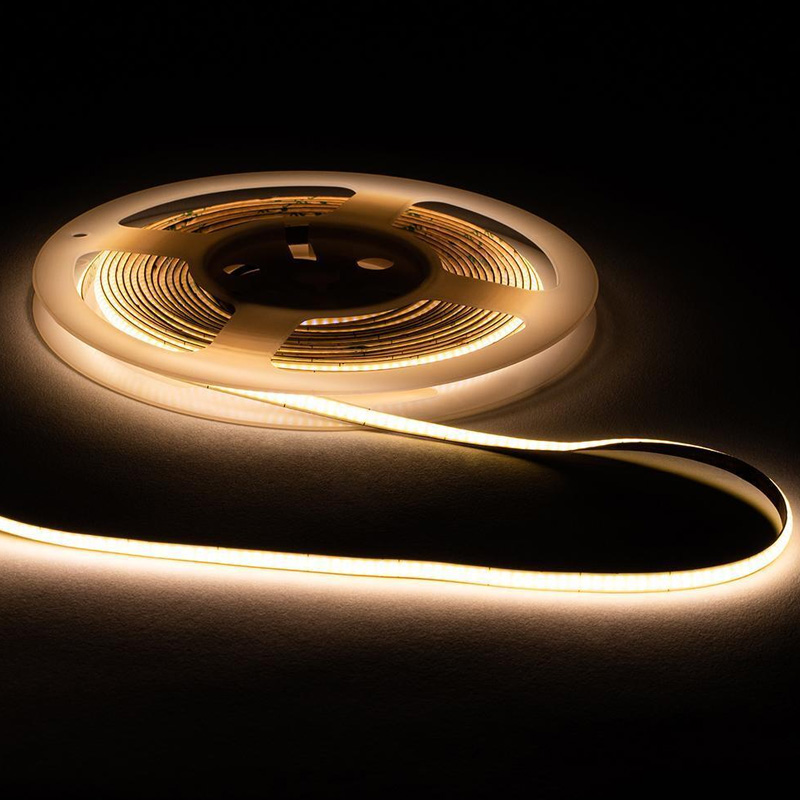
Technical Whitepaper: Solid-State Linear Lighting Engineering for Trondheim’s Built Environment
As the technological heartland of Mid-Norway (Trøndelag) and home to the Norwegian University of Science and Technology (NTNU), Trondheim represents a unique intersection of historic timber heritage, subarctic climatic demands, and forward-thinking sustainable architecture. Implementing high-density linear solid-state lighting (SSL) in this geographical sector requires far more than generic luminaire selection. It mandates an engineering approach tuned to extreme photoperiod fluctuations, low-ambient thermal profiles, stringent Norwegian TEK17 building codes, and coastal subarctic maritime humidity.
This technical whitepaper outlines the structural, optical, and electrical parameters required for high-density Chip-on-Board (COB) and micro-SMD LED strip lights deployed across Trondheim’s commercial, academic, maritime, and residential infrastructure.
Engineering Brief: High-density COB linear lighting replaces legacy point-source SMD strips by encapsulating 320 to 600 micro-diodes per meter directly onto a continuous copper substrate beneath a uniform phosphor matrix. This completely eliminates visual pixelation, reduces thermal resistance across copper trace layers, and maximizes system efficacy in shallow architectural channels.
1. Localized Application Scenarios Across Trondheim & Mid-Norway
1.1 Circadian-Aligned Human-Centric Lighting (HCL) for Subarctic Winter Seasons
Located at latitude 63.43° N, Trondheim experiences dramatic annual solar cycles—ranging from over 20 hours of midsummer daylight to less than 4.5 hours of low-angle sunlight during the December winter solstice (Polar Night transition). Extended periods of low ambient natural light present documented physiological challenges to office workers, researchers, and university students across the Gløshaugen and Kalvskinnet campuses.
High-density Color Tunable (CCT) COB LED strips offer continuous dynamic spectral tuning from warm 2700K (relaxing, low melanopic stimulus) up to 6500K (high melanopic lux for daytime cognitive alertness). By providing smooth, step-less dimming without flicker down to 0.1% via DALI-2 or 0-10V protocols, our linear systems enable electrical engineering contractors in Trondheim to integrate human-centric circadian illumination directly into workplace coves, acoustic ceiling rafts, and institutional task areas.
1.2 Historical Wooden Architectural Preservation ("Trehusbyen Trondheim")
Trondheim boasts one of Northern Europe’s largest concentrations of historic wooden buildings, particularly along the Nidelva River (the famous wooden wharves or Bryggene) and throughout Bakklandet. Retrofitting modern linear lighting into historic timber framing demands absolute thermal safety, zero infrared radiation, and non-destructive ultra-slim profiles.
Our ultra-narrow 3mm to 5mm COB LED strips feature dual-layer 3oz rolled copper PCBs designed for superior heat dispersion along their length. Operating at low surface temperatures with strict thermal management ensures compliance with Scandinavian wooden structure fire safety guidelines (NS-EN 60598-2-1). Furthermore, continuous dotless output eliminates the need for deep aluminum mounting profiles, allowing sub-5mm extrusions to be concealed invisibly within historic moldings, exposed beams, and timber joinery.
1.3 Coastal Maritime & Fjord Infrastructure Protection
Facilities positioned near the Trondheimsfjord—including the maritime industrial zones of Brattørkaia and Nyhavna—are exposed to a corrosive atmosphere characterized by airborne sea-salts, winter freezing-thawing cycles (-15°C to +5°C), and high relative humidity. Standard IP20 or basic PVC-jacketed LED strips rapidly succumb to copper trace oxidation, yellowing silicone, and water ingress under these localized conditions.
We supply specialized IP67 and IP68 COB strip lights protected by fully encapsulated optical-grade liquid silicone rubber (LSR) co-extrusion. LSR remains flexible down to -40°C without cracking, resists salt-mist corrosion (IEC 60068-2-52 tested), and prevents internal condensation build-up caused by rapid pressure differentials during sudden subarctic weather fronts.
2. Localized Industry Trends & Regulatory Drivers in Norway
2.1 Norwegian TEK17 & Enova Energy Efficacy Mandates
Norway’s TEK17 technical building regulations, alongside energy rebate frameworks administered by Enova SF, enforce aggressive benchmarks for installed lighting power density (LPD, W/m²) and overall system luminaire efficacy. Lighting designs across modern commercial developments—such as zero-emission energy-positive buildings—demand LED module efficiencies exceeding 130–150 lm/W at nominal operating currents.
Our high-density COB series utilizes high-luminous-efficiency flip-chip LEDs paired with premium pure-copper interconnects. This lowers internal electrical resistance, minimizes heat generation, and achieves ultra-high lumen output per watt. When coupled with intelligent occupancy sensing and day-lighting harvest controls, these linear systems drastically assist Norwegian project developers in meeting BREEAM-NOR "Excellent" and "Outstanding" sustainability ratings.
2.2 Nordic Interior Aesthetic & High Color Fidelity (CRI Ra90 / R9 > 50)
Scandinavian architectural interior design prioritizes authentic material expression—highlighting natural Scandinavian pine, birch veneer, raw slate, and earthy textile palettes. Traditional low-CRI LED sources introduce color distortion, rendering natural wood tones dull or greyish due to weak red spectral output (R9 index).
All linear COB offerings shipped to Trondheim importers and contractors feature high-fidelity color rendering spectra guaranteed at Ra > 90, with R9 values exceeding 50 and R13 values above 90. This ensures rich color depth, structural warmth, and color consistency within 3-step MacAdam Ellipses across multi-reel volume shipments.
3. Comparative Technology Matrix: High-Density COB vs. Legacy SMD
Understanding the operational differences between Chip-on-Board (COB) architecture and legacy Surface Mount Device (SMD) linear tapes is essential for specifying lighting packages for high-end Norwegian projects.
- Diode Density & Pitch: Legacy SMD3528/5050 strips typically house 60 to 120 LEDs per meter, leaving visible gaps between diodes. COB linear strips integrate 320, 480, or 600 micro-chips directly on a single meter, creating a seamless uninterrupted line of light even when placed inside ultra-shallow aluminum extrusions (as shallow as 4mm).
- Thermal Distribution: SMD packages encapsulate individual chips in plastic PPA/PCT housings, creating localized thermal hot spots. COB flip-chips are bonded directly to the continuous copper substrate, spreading heat evenly across the entire flexible circuit board for longer L80B10 lifespan (>50,000 hours).
- Beam Dispersion: SMD LEDs project a 120° beam angle with harsh point-source shadows. COB strips utilize a continuous phosphor silicone dome that broadens the emission angle to 180°, producing soft, non-glare ambient luminance ideal for low-ceiling Scandinavian residential interiors.
4. Manufacturing Excellence & Supply Chain Reliability
Shenzhen Vokud Technology Co., Ltd. operates a specialized LED strip manufacturing complex engineered for export rigor. Verified on-site by international inspection leader SGS Group, our facility integrates fully automated surface-mount (SMD) lines, high-precision automated die-bonding equipment, and continuous phosphor dispensing robotics.
Quality Control & Testing Rigor
To guarantee long-term operational performance in Northern European climates, every production run passes through nine dedicated testing instruments in our photometric and environmental lab:
- Integrating Sphere Photometric Analysis: Validates luminous flux (lumens), correlated color temperature (CCT), Duv tolerance, and spectral distribution.
- 100% 24-Hour Continuous Aging Test: Every manufactured reel undergoes full electrical load aging prior to final lamination and packaging to eliminate early component failures.
- Thermal Shock & Cold-Chamber Testing: Modules are cycled between sub-zero temperatures (-30°C) and elevated thermal states (+60°C) to verify structural integrity of solder joints and silicone encapsulation.
- Waterproof Pressure Testing: IP67/IP68 waterproof series undergo submersion pressure testing to certify ingress protection compliance.
Tailored Technical Solutions for European Importers
From custom PCB widths and private-label packaging to bespoke electrical engineering configurations, we support your local brand vision in Norway.
Bespoke PCB & Spectral Tuning
Customize PCB widths from ultra-slim 2.7mm to heavy-duty 10mm double-copper strips. Choose exact CCT bins (2200K up to 6500K) or specialized horticultural/wellness light spectra.
Private Label & Kitting
Complete OEM packaging support—custom reel printing, barcoded anti-static bags, custom retail box design, and pre-cut lengths with factory-soldered IP68 connectors.
CE, RoHS & FCC Certified
Full regulatory compliance documentation provided with every shipment for seamless customs clearance through Norwegian Tollvesenet and compliance with EU safety directives.
Frequently Asked Questions for Buyers in Trondheim
Key commercial and technical considerations for Norwegian lighting wholesalers, electrical contractors, and OEM brand buyers.
What is the typical shipping lead time from your factory to Trondheim, Norway?
For standard order quantities, sample production takes 3 to 5 business days, while mass production requires 10 to 14 days. Express air freight to Trondheim Airport (TRD, Værnes) takes approximately 5 to 8 business days. Consolidated sea-freight or rail-sea multimodal shipments arriving at Port of Trondheim (Trondheim Havn) typically require 28 to 35 days depending on customs routing.
How do your LED strips withstand cold subarctic operating conditions?
Our LED strips utilize low-temperature resistant silicone extrusions and flexible rolled copper PCBs that remain fully functional down to -30°C. Unlike cheap PVC coatings that turn brittle and crack in cold Nordic winters, our liquid silicone encapsulation maintains structural flexibility, seal integrity, and high optical clarity across severe temperature fluctuations.
Do you handle Norwegian customs clearance and VOEC / MVA compliance support?
Yes, we support DDP (Delivered Duty Paid) commercial shipping terms for Norwegian business entities. We supply complete commercial invoices, HS code classifications (8539.5100), origin certificates, and full CE/RoHS test documentation required for seamless Norwegian customs processing and local MVA (Value Added Tax) accounting.
Should we specify 12V, 24V, or 48V COB LED strips for large commercial projects in Trondheim?
For short cabinet runs under 3 meters, 12V is suitable. However, for commercial architectural projects, office coves, and corridor lighting across Trondheim developments, we strongly recommend 24V or 48V DC systems. Higher voltage halves or quarters the operating current, significantly reducing voltage drop along long continuous runs (up to 10–15 meters from a single power feed point) and maintaining consistent brightness from end to end.
Can your linear lights be integrated with local Scandinavian smart control systems like DALI-2, Casambi, and KNX?
Absolutely. Our high-density COB strips are constant-voltage DC devices that integrate seamlessly with external PWM dimming receivers. They are fully compatible with leading European protocol drivers including DALI-2, Casambi, KNX, Zigbee 3.0, and 0-10V dimmers, enabling smooth, flicker-free dimming down to zero load.
What is your minimum order quantity (MOQ) for custom length or branded requests?
Standard catalog items start from a low MOQ of just 5 meters per roll for sample evaluations. For custom PCB widths, specific color temperatures, or private-label branded packaging, our project MOQ typically starts at 500 meters, backed by full engineering support and pre-production samples.
Request Your Technical Engineering Catalog & OEM Price List
Connect with our senior technical sales team to receive comprehensive product spec sheets, IES photometric files, sample kits, and wholesale factory pricing for Trondheim and Scandinavian markets.
