Industrial Grade Outdoor & Specialty LED Strips
Explore our top-tier export configurations, engineered for extreme weatherproof reliability, color consistency, and optical efficiency.
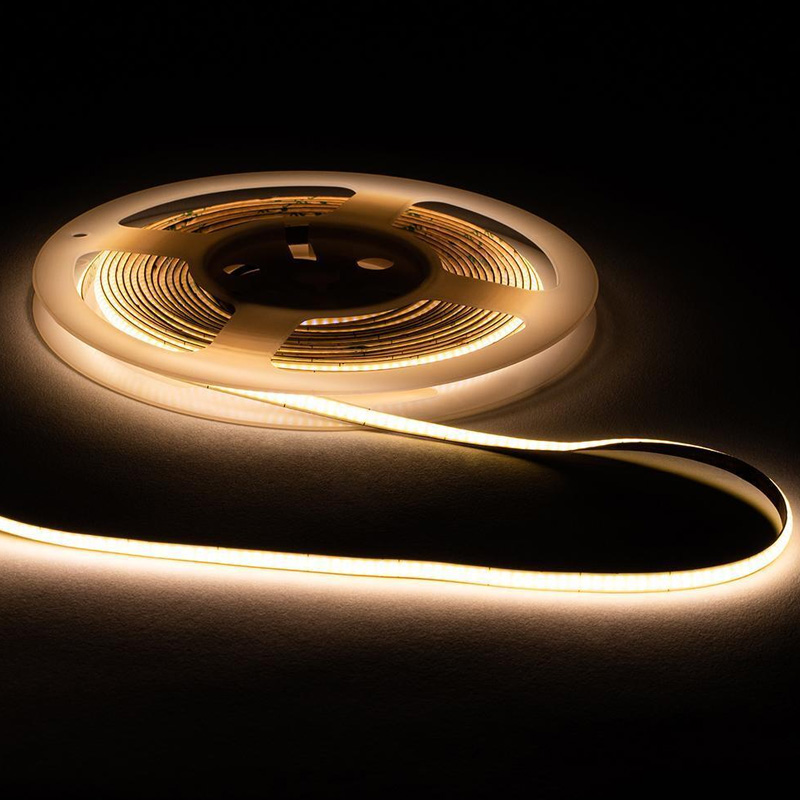
Aikeou COB LED Strip Light 400/312/320/384/480 LEDs/m 5mm 8mm 12V 24V

Aikeou 2.7mm/4mm/5mm RGB LED Strip WS2812B Programmable Ambient Lighting
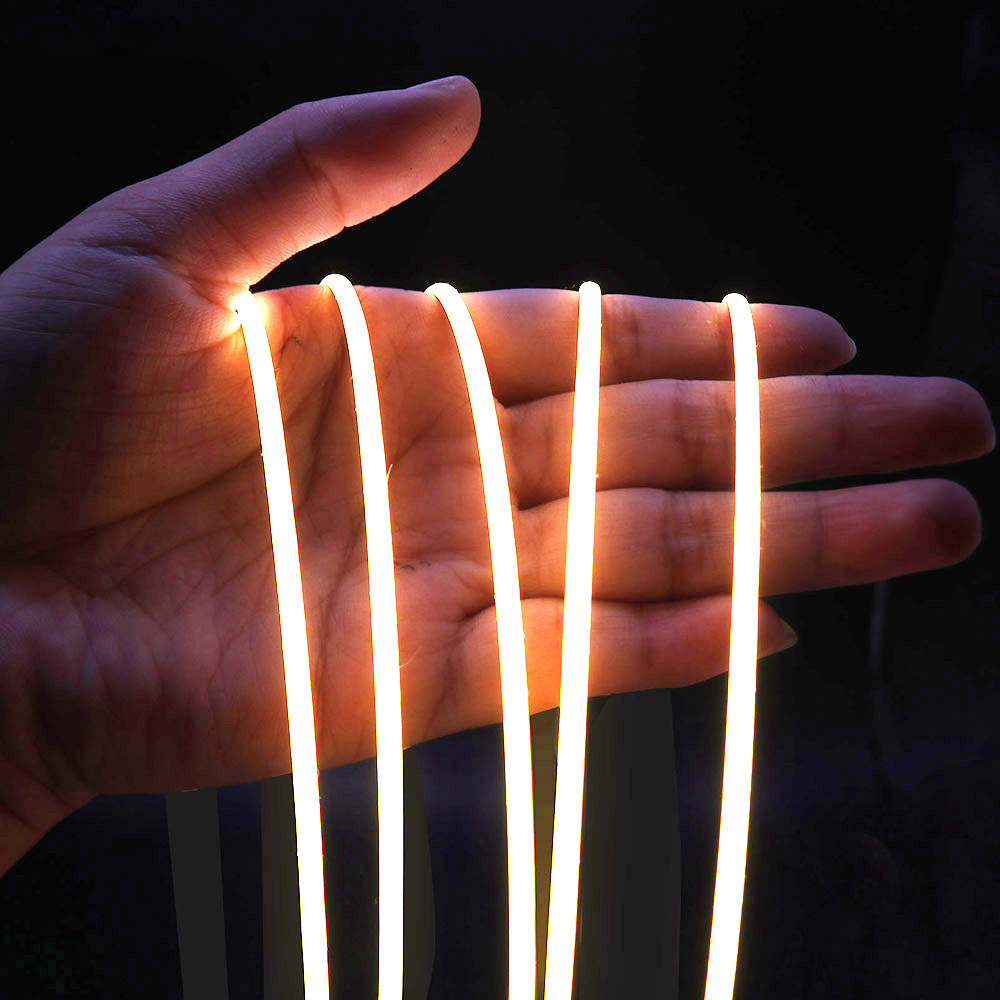
Mini Flexible COB LED Strip Light 384LEDs/m 3mm Cuttable Copper Body
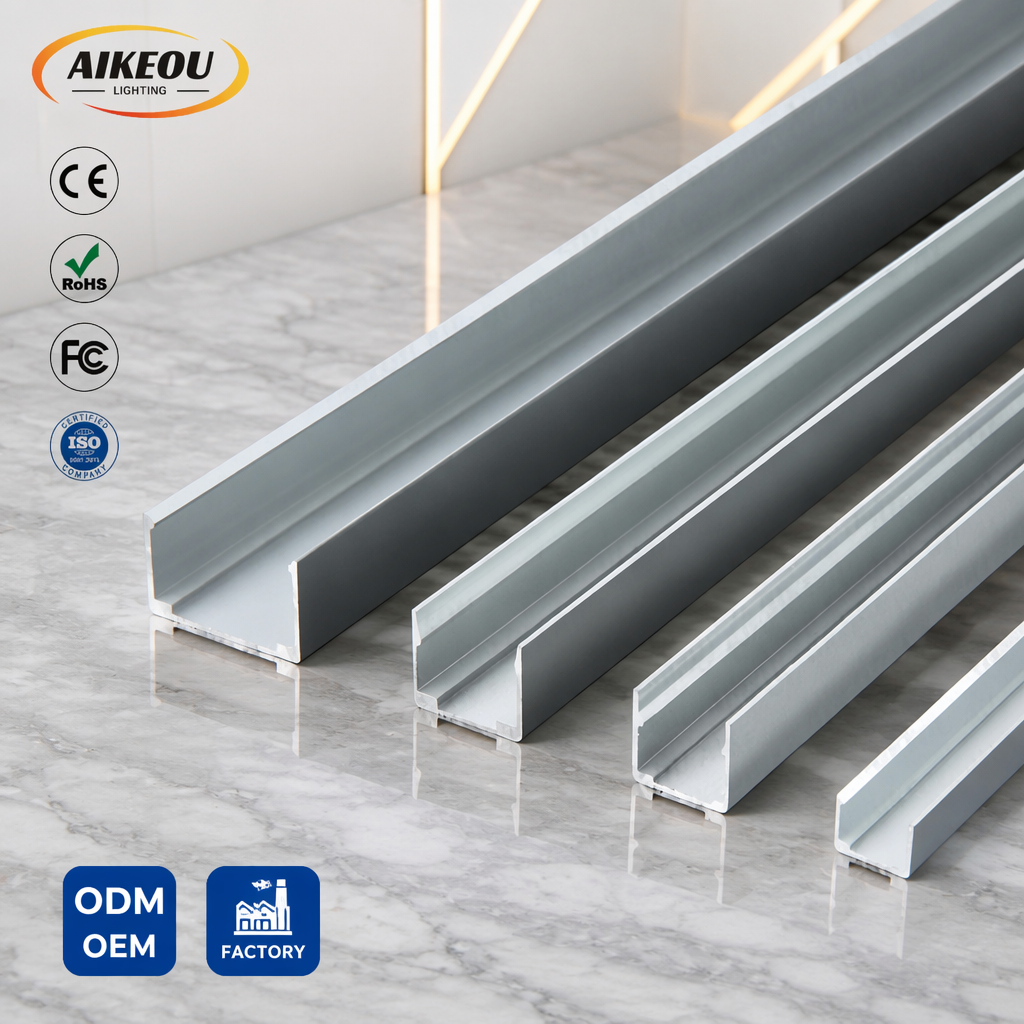
Aikeou Flexible Ribbon Tape LED Neon Flex Dimmable CRI 90 5V/12V/24V
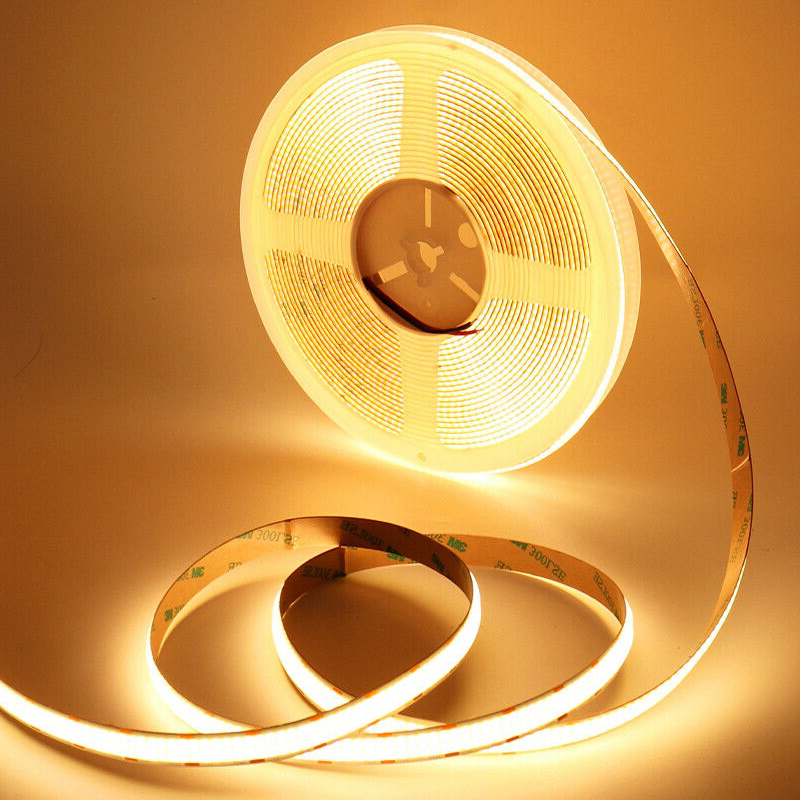
Aikeou 600LEDs/m 5mm 14W/m DC24V IP20 Ra90 DoubleLine COB LED Strip
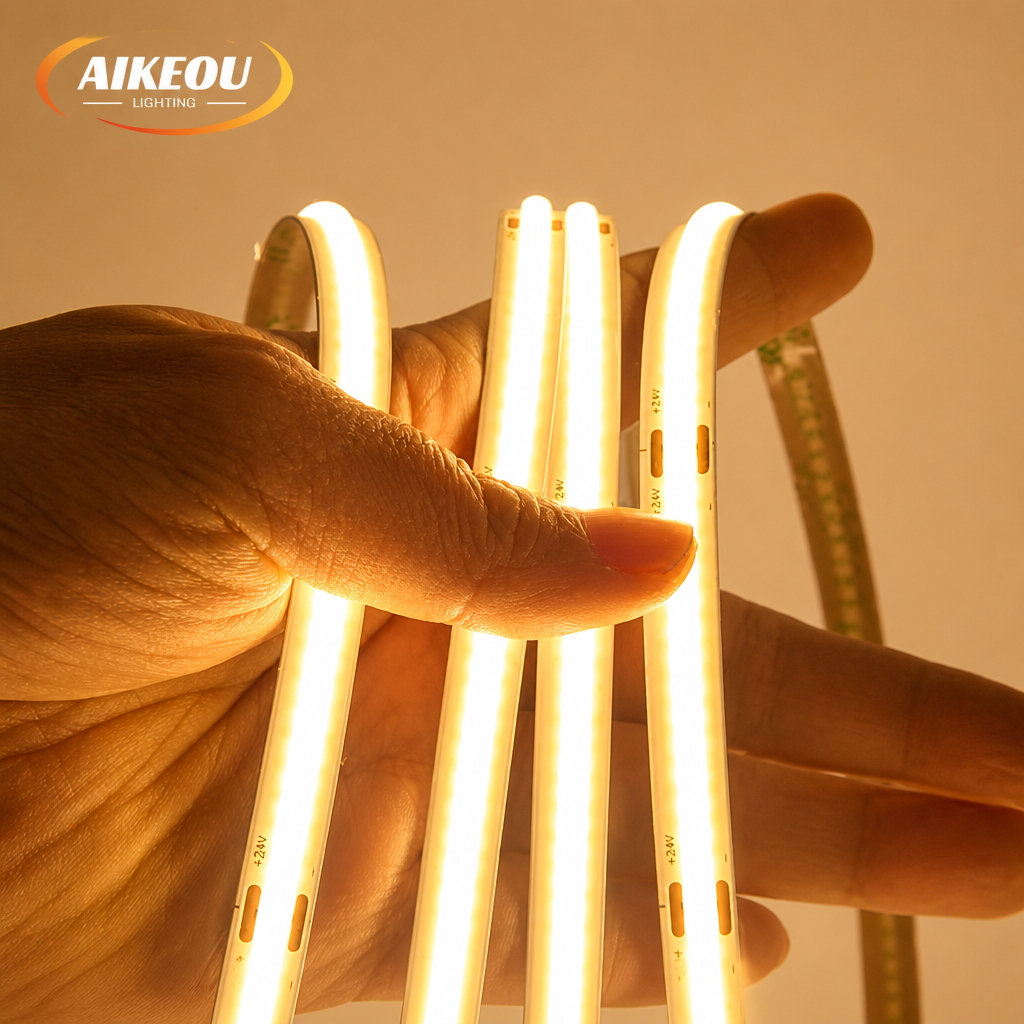
AIKEOU 2mm-5mm IP65/IP68 CCT Dimmable Outdoor Waterproof COB Strip

AI-Powered Electrothermal Body Wellness Device & Controller Integration
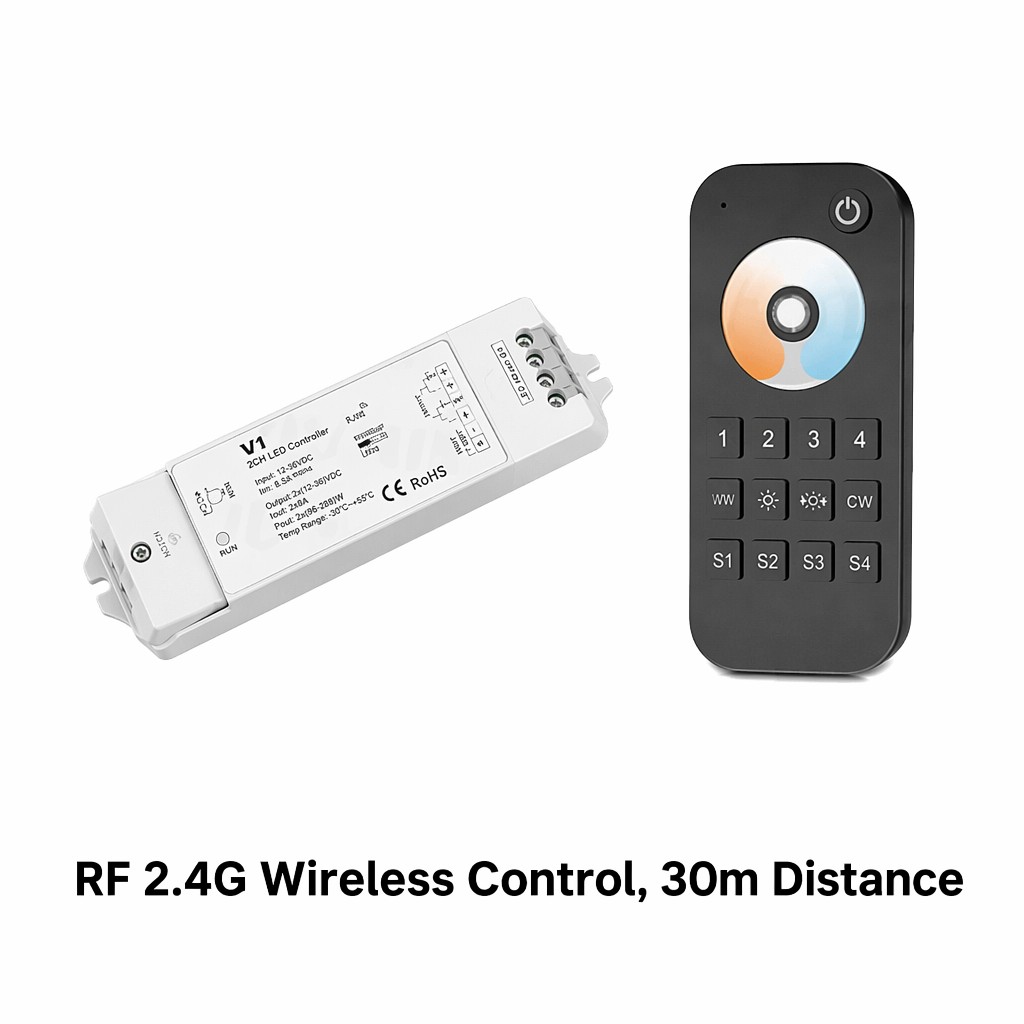
RF 2.4G Smart LED Controller RGB/RGBW/RGBCCT SPI Dimming PWM 12V-24V
SGS-Verified Manufacturing Operations & Capacity
Delivering certified optical consistency, rigorous QA metrics, and OEM flexibility to global buyers.
1. OEM/ODM Manufacturing Excellence & Enterprise E-E-A-T Background
In the highly competitive commercial lighting export landscape, selecting a qualified manufacturing partner requires moving beyond superficial product catalogs. As a leading manufacturer centered in the Shenzhen optoelectronics hub, Shenzhen Vokud Technology Co., Ltd. operates state-of-the-art production lines designed specifically for low-voltage (12V/24V) and high-voltage (110V/220V) flexible LED systems. Verified on-site by the SGS Group, our factory infrastructure integrates automated die bonding, phosphor dispensing, silicone co-extrusion, and comprehensive photometric quality assurance.
Providing genuine Information Gain for global procurement managers means offering total transparency into supply chain dynamics, raw material selection, and rigorous quality management systems (QMS). Our manufacturing framework is backed by 3oz rolled annealed (RA) copper flexible printed circuit boards (FPCBs), premium Sanan/Epistar LED chips, and UV-stabilized liquid silicone encapsulation materials that guarantee resistance against thermal degradation and micro-cracking.
The Vokud Quality Assurance SLA (Service Level Agreement)
Every production batch undergoes a 9-stage quality verification workflow, including spectroradiometer integrating sphere analysis, salt spray mist testing (ASTM B117 standards for coastal installations), IP68 thermal shock submersion (-40°C to +85°C cycles), and 100% 48-hour continuous burn-in aging prior to packaging.
Whether you are an architectural lighting importer, commercial lighting contractor, or private-label brand distributor, our OEM capabilities extend from ultra-narrow 2.7mm FPCBs to dynamic WS2811/WS2812B pixel-addressable COB strips. All shipments are compliant with EU LVD, EMC, RoHS 2.0, FCC, and Declaration of Conformity requirements, ensuring seamless customs clearance and commercial viability across North American and European markets.
2. Technological & Product Development Trends in Outdoor LED Strips
The outdoor linear lighting industry is undergoing a structural transition from traditional Surface Mounted Device (SMD) packaging (e.g., SMD 5050, 2835, 3014) toward seamless, dotless Chip-on-Board (COB) technology and advanced silicone co-extrusion processes. Below are the primary technological pillars defining the future of high-performance outdoor linear lighting:
A. Seamless COB Packaging vs. Traditional SMD
COB technology eliminates discrete plastic LED packages by mounting bare LED dies directly onto the flexible copper substrate, covered by a continuous linear phosphor silicone layer. This yields a completely uniform line of light with zero visible hotspots, even when installed in ultra-shallow aluminum channels. High-density COB strips (ranging from 320 LEDs/m up to 600 LEDs/m) achieve wide 180-degree beam angles, reducing optical diffuser losses and boosting delivered light efficiency by up to 18%.
B. Integrated Silicone Co-Extrusion (IP68 Waterproofing)
Historically, outdoor waterproof LED strips relied on clear PVC sleeves, silicone tube filling, or polyurethane (PU) potting resins. However, PU and PVC materials deteriorate rapidly under harsh outdoor environments, exhibiting severe yellowing, embrittlement, and water ingress due to differential thermal expansion coefficients. Modern export standards mandate Integrated Silicone Co-Extrusion (IP67/IP68). In this automated process, the FPCB and medical-grade optical silicone are extruded simultaneously as a solid monolithic body. This provides immunity against UV radiation, chlorine, salt water corrosion, and ambient thermal extremes (-30°C to +70°C).
| Performance Parameter | Silicone Co-Extrusion (IP68) | PU Potting / Injection (IP67) | PVC Tube Sleeve (IP65) |
|---|---|---|---|
| UV & Yellowing Resistance | Excellent (> 50,000 hrs zero yellowing) | Fair (Yellows after 12-18 months) | Poor (Hardens and turns yellow) |
| Thermal Stability Range | -50°C to +200°C | -20°C to +65°C | -10°C to +45°C |
| Chemical / Chlorine Resistance | High (Suitable for saunas & pools) | Moderate (Degrades in saline) | Low (Cracks easily) |
| Lumen Maintenance (L70) | > 54,000 Hours (TM-21 Verified) | ~ 30,000 Hours | ~ 18,000 Hours |
C. High Color Fidelity & MacAdam Ellipse Binning
Commercial specifiers now require high color rendering fidelity. Modern outdoor COB strips must achieve CRI Ra > 90 / 95 with R9 values exceeding 80, ensuring vivid rendering of landscape flora, architectural masonry, and building facades. Furthermore, strict color consistency within 3-step MacAdam Ellipse (SDCM < 3) eliminates jarring color shifts between adjacent reels or multi-meter continuous runs.
3. Strategic Future Procurement Trends for Commercial & Industrial Buyers
Procurement directors and B2B buyers must adapt to dynamic trade policies, evolving energy efficiency regulations, and smart building integration protocols. The following trends dictate strategic sourcing for 2025 and beyond:
1. Shift to High-Voltage DC (48V) and AC Direct-Drive Architecture
Voltage drop remains a major challenge in long-run outdoor architectural projects. Standard 12V strips experience significant luminance attenuation beyond 5 meters, while 24V systems generally reach 10 meters before requiring dual-end power feeding. Global buyers are increasingly procuring 48V Constant Current (CC) COB strips and 110V/220V driverless AC direct-drive strips. 48V systems allow single-ended run lengths up to 30 meters with less than 3% lumen variation, significantly cutting power supply installation costs and wiring complexity.
2. Smart Control Convergence: SPI Digital Addressable & Matter Protocols
Static single-color outdoor lighting is rapidly being replaced by dynamic color-changing and tunable white (CCT) systems. Sourcing focus has shifted toward SPI pixel-addressable COB strips utilizing WS2811, WS2812B, or SK6812 ICs. These allow fine-grained zone control for dynamic facade lighting, synchronized landscape animation, and smart city architectural lighting. Furthermore, integration with RF 2.4G controllers, DALI-2, DMX512, and Matter over Thread protocols ensures seamless compatibility with home and commercial automation platforms.
3. Sustainability, Circularity, and Extended Vendor Auditing
Regulatory frameworks such as the EU Energy Labeling Regulation (ELR) and EcoDesign Directives demand higher luminous efficacy (> 110 lm/W for complete outdoor systems) and eco-friendly packaging. B2B buyers are prioritizing suppliers who provide comprehensive compliance documentation (RoHS 3.0, REACH SVHC, WEEE) and maintain ESG-conscious manufacturing operations.
4. Technical Buyer FAQ: Sourcing & Engineering Guidance
Below are detailed answers to key technical questions routinely posed by commercial importers, OEM brand managers, and lighting engineers during factory qualification:
5. Comparative Matrix: Sourcing from Vokud vs. Generic Suppliers
When selecting a strategic supplier in China, understanding the technical differences in component selection directly impacts warranty claim ratios and brand reputation. Below is a comparative breakdown:
| Evaluation Vector | Shenzhen Vokud Technology Co. | Generic / Low-Cost Exporters |
|---|---|---|
| FPCB Copper Substrate | 3oz Rolled Annealed (RA) Double-Sided Copper | 1oz Electrolytic (ED) Single-Sided Copper (Prone to fracture) |
| LED Chip Bonding Wire | 99.99% Pure Gold Wire / Flip-Chip Die Bonding | Alloy or Copper Wire (Prone to oxidation & dead LEDs) |
| Phosphor Silicone Quality | Dow Corning / Shin-Etsu Optical Grade Silicone | Recycled Industrial Grade Gel (Fast yellowing) |
| Binning Standard | Single Binning, SDCM < 3 (3-Step MacAdam) | Mixed Binning, SDCM > 5 (Noticeable color mismatch) |
| Testing Infrastructure | SGS Verified On-Site, 9 In-House QA Instruments | Outsourced or Spot-Check Testing Only |
Request an Engineering Consultation & Sample Kit
Partner with a verified manufacturer. Connect directly with our engineering team to review custom specifications, photometric reports, or OEM project quotes within 24 hours.
Get a Quote