SGS On-site Verified Custom Manufacturer [email protected]
  • English
  • Español
  • Deutsch
  • Français
  • Português
  • Русский
  • 日本語
  • العربية
  • USD – US Dollar
  • EUR – Euro
  • GBP – British Pound
  • AUD – Australian Dollar
0%

Choosing the best LED Light Strips in 2026 is less about chasing the brightest box and more about matching light to a real room. A strip that looks vivid on a product page may appear uneven behind a desk or too harsh beneath kitchen cabinets. Small details matter. This guide compares brightness, color accuracy, dimming, installation, app controls, and power requirements, while separating practical features from marketing claims. It also considers whether a strip can be cut or extended, how well its adhesive holds, and whether replacement parts are easy to find. Those details are easy to overlook.

Because prices and product availability change, “best” should mean the strongest fit for a specific use, not a universal winner. We’ll consider options for ambient room lighting, task lighting, gaming setups, and simple accent effects. For each type, the comparison should weigh clearly specified output, color choices, control reliability, setup effort, and long-term value. Compatibility deserves attention too: check connector type, strip length, voltage, and smart-home support before buying. A missed measurement can leave a dark gap. It happens.

The guide will also examine trade-offs. A flexible strip may sacrifice brightness, while a powerful model may need better heat management. Real-world performance can vary with wall color, diffuser, placement, and even the phone used to judge color. Those limits deserve honesty. No shortlist can replace checking your room, product specifications, and recent owner feedback. The aim is a clear, evidence-minded starting point—not a promise that one strip suits every home.
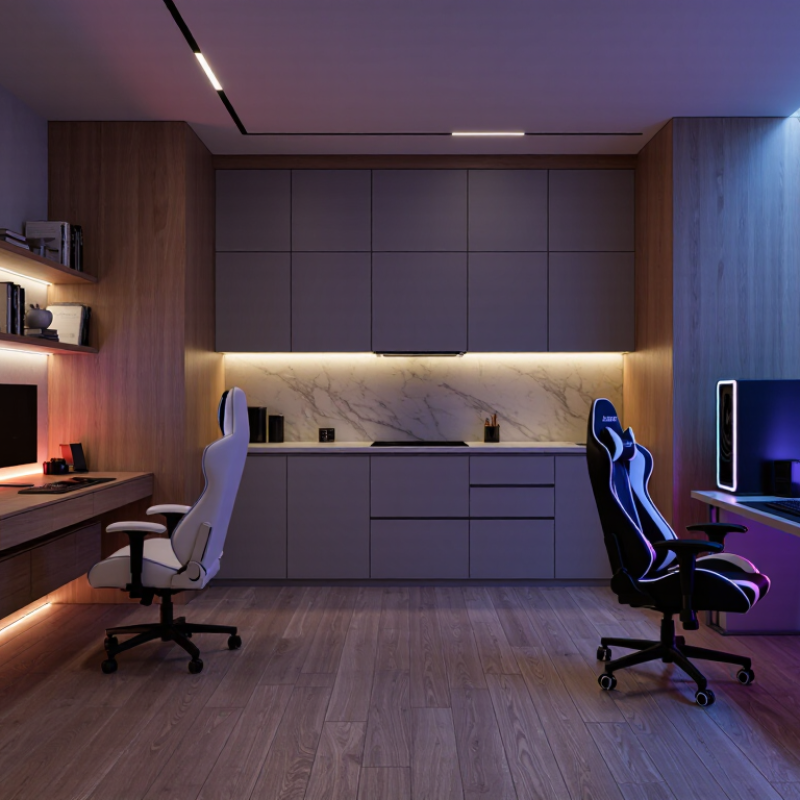
What Are the Best LED Light Strips in 2026?

What LED Light Strips Are and How They Work

An LED light strip is a flexible circuit board carrying many small light-emitting diodes. A typical strip also includes resistors or control components that help regulate current. Power comes from a compatible supply, which converts household electricity into the low-voltage output the strip requires. Check the strip’s voltage before connecting it. Close enough is not a safe assumption.

Each diode produces light when electric current passes through it. White strips use white-emitting LEDs, while color-changing versions mix red, green, and blue light. A controller adjusts those colors and brightness. Some strips can display different colors along their length; simpler models change the whole strip at once. Small diodes, many of them.

Installation details affect how the light looks and lasts. The adhesive backing sticks best to a clean, dry surface, not dusty paint. Measure the run and cut only at marked points. Long strips may appear dimmer near the far end because voltage can drop along the circuit. Heat matters, too: placing a strip in a sealed space can shorten its useful life. The technology is straightforward, but the setup is not always foolproof. Even careful measuring can miss a corner.

What Are LED Light Strips and How Do They Work?

RGB LED strips create colors by adjusting the output of red, green, and blue LEDs. The chart shows representative peak wavelengths; actual values vary by LED.

Key Features to Compare in LED Light Strips

When comparing LED light strips, start with brightness and color quality, not app features. Lumens per meter indicate output, while color temperature describes whether white light feels warm or cool. For reading near a desk, check the stated brightness and color rendering index; low color accuracy can make familiar objects look oddly dull. Small differences matter.

Look at the strip’s LED density and whether it includes a dedicated white channel. RGB-only strips may create a bluish or pinkish white, while RGBW models can produce more usable white light. A diffuser can soften visible dots, though it may reduce brightness slightly. Measure the installation path, too. Check cut marks, extension limits, and the included power supply’s capacity before buying. These details are easy to overlook.

Control options deserve a practical check. Wi-Fi can support remote access, while Bluetooth may suit a single room; physical controls are useful when a phone is elsewhere. Confirm dimming range, timers, and compatibility with your existing setup. Installation quality matters as well: adhesive may struggle on dusty, textured, or warm surfaces. Clean and dry the surface first, and consider an aluminum channel for heat management. A specification sheet cannot show every real-room quirk, so treat unusually high brightness claims with some caution.

Types of LED Light Strips Available in 2026

LED strips differ by light output, color control, and construction. Single-color strips suit shelves, coves, and work surfaces where steady white or one chosen color is enough. Tunable-white models shift from warm to cool white, which helps a kitchen feel softer at night and clearer during food preparation. RGB strips mix red, green, and blue, while RGBW versions add a dedicated white channel for more natural-looking white light. Small detail. Check color quality, brightness per meter, and whether the power supply is included.

Addressable strips let individual sections display different colors, creating moving patterns along a desk or ceiling edge. For an unbroken line of light, COB strips pack LEDs closely together; standard strips may show visible dots unless hidden behind a diffuser. Moisture-rated versions are useful near damp areas, but ratings must match the actual exposure. A splash-resistant strip is not automatically suitable for standing water.

The U.S. Department of Energy’s 2022 solid-state lighting forecast examines LED adoption and energy savings across general illumination, a useful reminder that efficiency is part of strip selection, not just color effects. Grand View Research estimated the global LED lighting market at about USD 75.3 billion in 2024 and projected 10.8% annual growth for 2025–2030. That market figure covers more than strips, so it should not be treated as proof that one strip type is better. I still find product photos misleading: a bright-looking strip can disappoint when its beam is visible on a glossy wall.

How to Choose a Strip for Your Space and Needs

What Are the Best LED Light Strips in 2026?

The right LED strip depends on where it will go and what you want it to do. For a desk or shelf, a warm white strip can soften harsh shadows without dominating the room. Behind a television, adjustable color and dimming may be more useful. Check brightness in lumens, not just the package’s “high output” wording. If accurate color matters for crafts or makeup, look for a high color-rendering index.

Measure the full route before buying. Note corners, gaps, and nearby outlets; a strip that is too short can leave an awkward dark patch. Check its cut marks and whether connectors are available for your layout. For kitchens or bathrooms, choose a model with an appropriate moisture rating for its actual location. Damp air and direct splashes are not the same thing. Also confirm that the power supply can support the strip’s length. This detail is easy to overlook.

Tips: Clean and dry the mounting surface first. Test the strip before sticking it down, especially around corners. Leave room to reach the plug. I’ve found that planning the cable path saves frustration, though neat routing still takes patience. Don’t expect adhesive to grip dusty paint forever.

Installation, Safety, and Maintenance Considerations

For the best LED light strips in 2026, check more than brightness and color options. Measure the route carefully, including corners and the distance to a power outlet. Confirm the strip’s voltage matches its power supply, and choose a moisture rating suited to the room. A bathroom backsplash needs better protection than a dry bookshelf. Small detail, big difference.

Installation works best on a clean, dry surface. Wipe away dust, let the area dry, then test the strip before removing its adhesive backing. Cut only at marked points, with power disconnected. Use a compatible power supply, and avoid exceeding its stated load. Don’t cover the supply or leave a powered strip tightly coiled; trapped heat can shorten its life. Adhesive can be stubborn, too, and may lift paint later.

Tips: Keep connectors accessible, especially behind furniture. Unplug the strip before cleaning or checking a loose connection. Use a dry, soft cloth for dust, and inspect for flickering, discoloration, or warm spots. If a section repeatedly fails, stop using it until you’ve checked the connection and power supply. Some installations look tidy at first, then prove awkward to service. Plan for that.

FAQS

What is an LED light strip?

It is a flexible circuit board with many small light-emitting diodes. A compatible power supply provides the strip’s required low-voltage output.

Which type of LED strip suits different rooms?

Single-color strips provide steady light for shelves or work surfaces. Tunable-white strips shift from warm to cool, while RGBW strips add a dedicated white channel. Small detail, big difference.

How do I choose the right power supply?

Match its voltage to the strip’s stated voltage, and stay within its load limit. “Close enough” is not a safe assumption.

Where can I cut an LED strip?

Measure the route, then cut only at marked points with the power disconnected. I still sometimes underestimate a corner.

Why might a long strip look dimmer at the far end?

Voltage can drop along a long circuit, making light appear less bright near the end. Check the planned run before installation.

Can I use any strip near a damp area?

No. Choose a moisture rating suited to the actual exposure. Splash resistance does not mean the strip can sit in standing water.

How can I help prevent overheating?

Don’t cover the power supply or leave a powered strip tightly coiled. Trapped heat can shorten its useful life.

How should I clean and check a strip?

Unplug it first, then remove dust with a dry, soft cloth. Check for flickering, discoloration, warm spots, or loose connections. Some tidy installations are awkward to service.

Conclusion

LED Light Strips use small, energy-efficient LEDs arranged along a flexible circuit board to provide adjustable accent or task lighting. When comparing options, consider brightness, color range, color temperature, dimming controls, power use, strip length, and whether the lights can be controlled manually or through a compatible smart system. In 2026, choices may include single-color, tunable-white, color-changing, and addressable strips, each suited to different effects and settings.

To choose the right strip, match its brightness and color capabilities to the space, check that its length and power supply fit your layout, and select an appropriate level of moisture protection for the installation area. Measure carefully, prepare a clean surface, and follow the product’s instructions when cutting, connecting, or mounting the strip. Avoid overloading the power supply, keep connections secure, and allow heat to dissipate. Regularly check for loose sections or damaged wiring to help maintain reliable, safe lighting.

Ethan

Ethan

Ethan is a professional marketer who combines a clear understanding of customer needs with in-depth knowledge of the company’s products. He regularly contributes practical, informative articles to the company website, helping readers understand product features, compare possible solutions, and make......